





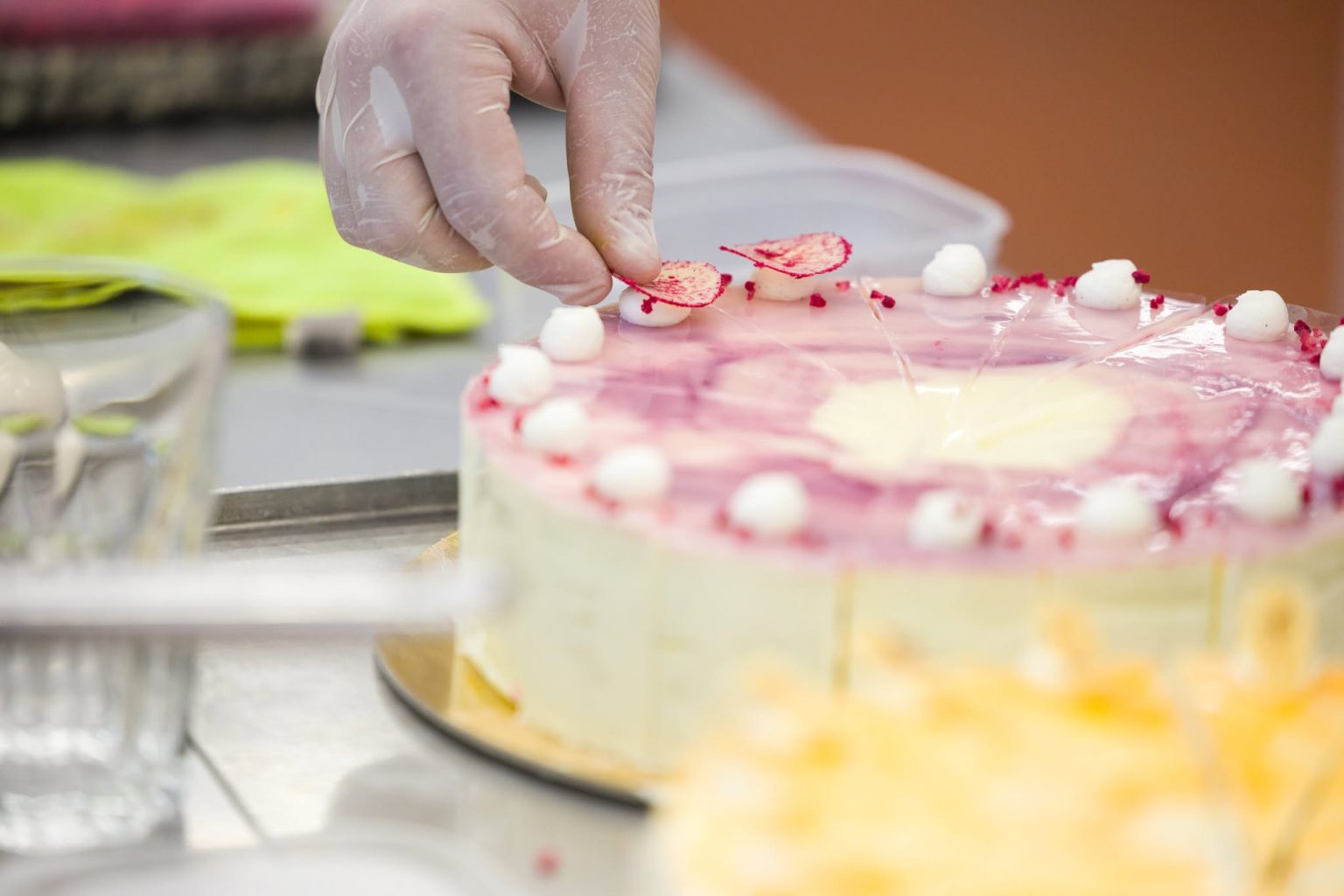
The Pilisi Pityókás bread was named this year’s Saint Stephen’s Day Bread, the Bíborfehér dessert from Kézműves Cukrászda in Gyula was chosen as Hungary’s Cake of the Year, while the Szilvafácska dessert from Promenád Café in Balatongyörök was named Hungary’s Sugar-Free Cake. The winners were announced at a press conference held at the Ministry of the Interior on Wednesday ahead of the August 20 national holiday.
The Pilisi Pityókás bread made by HEL Pékség Kft. (SZÁSZ Pékség) won this year’s Saint Stephen’s Day Bread category. In the innovative bread category, first place went to Magvető, a long-fermented, naturally leavened bread made using sourdough technology by Sütőmix Kft. – Kossuth 1 Pékség. The award for the year’s best laminated pastry went to Citrom virág from Pedró Pékség, announced József Septe, president of the Hungarian Bakers’ Association.
He said that 26 bakeries entered the competition this year with a total of 80 breads. Speaking about the winning bread, he explained that Pilisi Pityókás combines the traditions of the Pilis region with the values of Hungarian bread culture.
Made from BL55 and BL80 wheat flour, potatoes and traditional sourdough, the bread’s distinctive character comes from a 24-hour fermented sourdough with 100 percent hydration, which provides a rich aroma, elastic texture and long-lasting freshness. The natural moisture content of the potatoes gives the bread a juicy crumb, combining the values of traditional artisan baking with the advantages of modern technology.
The name Pityókás refers to a traditional Hungarian word for potato, while Pilisi pays tribute to the region where the recipe was created.
The winner of the innovative category, Magvető bread, combines long-fermentation natural sourdough technology with a carefully developed recipe. The aim was to create a bread that offers the benefits of wholegrain products not by adding bran, but through the use of natural seeds. Roasted flaxseed, sesame seeds, oat flakes and sunflower seeds enrich its flavour while providing a pleasant texture and high fibre content, József Septe said.
Citrom virág is Pedró Pékség’s own special creation, a butter-based laminated pastry with a distinctive shape. Its light, crisp texture comes from dough that has been fermented for 16 hours, complemented by homemade lemon cream.
Balázs Erdélyi, professional president of the Hungarian Confectionery Industry Association, said a record 60 entries were submitted this year to the Hungary’s Cake of the Year competition. Participants were required to create cakes containing curd cheese (rögös túró) and sour cream as mandatory ingredients.
He highlighted that rögös túró has been a popular ingredient in Hungarian cuisine for around 500 years and that no similar dairy product is made anywhere else outside the Carpathian Basin. In 2019, the European Union recognised and registered rögös túró as a traditional speciality product, Erdélyi said. Competitors were required to use both curd cheese and sour cream in a way that made their flavours clearly recognisable in the cakes.
This year, the increased number of entries required a four-round judging process. Competitors were also expected to ensure that at least 40 percent of their creations consisted of sponge or other cake layers, helping the cakes better represent the traditions of Hungarian confectionery.
In terms of ingredients, competitors were required to use only high-quality, natural and healthy ingredients. A wide range of special fruits and spices also featured in the entries.
Blackcurrants and rosehips were popular, while competitors also used exotic citrus fruits such as yuzu, kaffir lime and kumquat. Alongside spices such as tonka bean, Timut pepper and thyme, dill and chamomile also appeared several times. Other unusual ingredients included kapia peppers, sea buckthorn and roasted bacon.
After creating last year’s winning cake, DCJ stílusgyakorlat, the winning confectioners defended their title this year with Bíborfehér, Balázs Erdélyi highlighted. The Bíborfehér cake, created by master pastry chefs László Balogh, Roland Kis and Zoltán Balogh, combines forest berries, roasted almonds, sour cream mousse and rögös túró.
László Nándori, chairman of the jury for Hungary’s Sugar-Free Cake competition, said the contest was organised for the 15th time this year by the Egy Csepp Figyelem Foundation in cooperation with the Hungarian Confectionery Industry Association. The initiative aims to demonstrate that high-quality and enjoyable desserts can also be made without added sugar, providing excellent options for people with diabetes as well as health-conscious consumers.
This year’s winner, Szilvafácska, was inspired by childhood memories: the scents of a grandmother’s garden, ripe plums, cinnamon and freshly cooked jam have been reimagined in a modern confectionery creation, Nándori László said.
Szilvafácska was created by Alena Puchovszki, Jenő Vadócz and Gábor Pethő. The cake combines layers of plum, walnut and milk chocolate with cinnamon mousse, complemented by the freshness of green tea. One slice contains 15.3 grams of carbohydrates and 253.7 kilocalories, making it suitable not only for people with diabetes but also for anyone following a conscious diet.
The winning cakes will be available to taste from August 20 at numerous confectioneries across Hungary and at the Street of Hungarian Flavours in Budapest.
Photo: Official Facebook page of the Hungarian Confectionery Industry Association