






This year’s Night of Museums event series, to be held on June 20, will focus on gastronomy under the theme “Stories Encapsulated in Flavors”, highlighting food culture and its connection to the arts and heritage.
The Night of Museums offers a unique opportunity to showcase the vast knowledge preserved in museums and public collections, said Zsolt Sári, State Secretary responsible for public collections and heritage protection, at a press conference in Budapest on Tuesday.
The aim of the event is to bring the message of museums and the many disciplines of museology to a much broader audience and social base. He noted that there is no other cultural event series in Hungary that has enjoyed such uninterrupted popularity for 24 years, connected so many institutions, and attracted so many visitors during a single night as the Night of Museums. This year, more than 450 institutions across the country will participate with over 3,000 programs.
Sári emphasized the significance of the event, noting that it attracts more than 300,000 visitors annually. In 2025, participating institutions registered more than 337,000 admissions. Over the years, the Night of Museums has become a true community celebration, providing an occasion for families, groups of friends, young people, and seniors to explore museums, collections, works of art, technical achievements, and elements of historical heritage together.
He stressed that this is not merely a Budapest-based program but a cultural event that has grown to a national scale. Alongside institutions in the capital, cities, small towns, and villages throughout Hungary will welcome visitors with high-quality, informative, and entertaining cultural programs.
Speaking about this year’s central theme, Sári said it is important to demonstrate that culinary experiences, culture, and art are not separate spheres but are closely interconnected elements of Hungarian and European culture.
The goodwill ambassador of this year’s event series will be Zsófia Mautner, gastronomic writer and television presenter. The featured provincial location will be Sopron and the Sopron Museum.
“This is a city that serves as an excellent example of how various museum institutions can be managed cohesively as part of a unified cultural heritage,” he said.
In Budapest, event wristbands will be valid at all participating venues in the capital as well as on the special museum bus routes operated by BKK, which will run from 6:00 p.m. on June 20 until 2:30 a.m. the following morning.
Among the highlighted programs is an event at the Budapest City Archives, where visitors can experience the legendary Viennese kitchen of Ilona Stüberl, and the Hungarian National Gallery’s exhibition Flavors Committed to Paper, exploring the relationship between 19th-century gastronomy and literature.
Visitors to the Swabian House in Solymár will be introduced to Swabian culinary traditions, while in Esztergom, medieval gastronomy will take center stage.
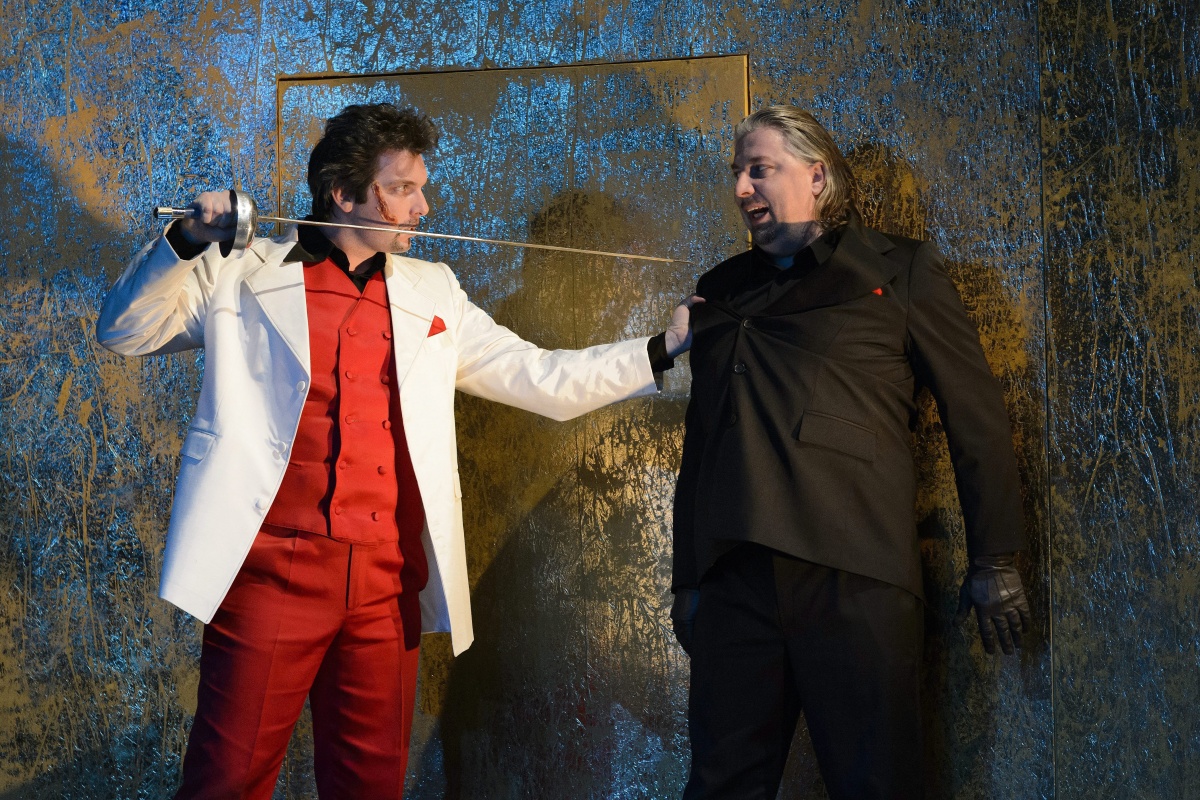
Sári also highlighted accompanying programs at the House of Traditions, where fashion and tradition will engage in dialogue through a contemporary theatrical production, and at the Hungarian National Museum, where a scene from Verdi’s opera Attila will be performed. Visitors to Eger Castle can explore Renaissance daily life, while the University History Collection in Pécs will display conference posters by Victor Vasarely.
Addressing transparency, Sári revealed that the event series operates on a budget of 77 million forints, covering costs such as wristbands, media appearances, influencer campaigns, promotional videos, social media content, and shuttle services.
“This is a nationwide museum program dedicated to community building, encompassing the entire country and every type of museum. Everyone participates, from the largest national museums to the smallest village heritage houses,” he told MTI.
He added that one of the event’s greatest strategic achievements is that it has become a symbol of the openness of museums.
“We can demonstrate that museums today are no longer merely static collections of objects and exhibitions. Museums are places of dialogue—meeting points where music, dance, literature, visual arts, history, local traditions, ethnography, and archaeology come together, offering programs for multiple generations.”
Sári emphasized that museums must be safe spaces for everyone.
“It does not matter what social, cultural, or identity background a person comes from; the museum is their place too. It is their space and their institution.”
For this reason, museums must represent diversity, reflecting the needs of society.
He also argued that museum programs are most effective when they are closely connected to an institution’s exhibitions, as this encourages visitors to return even when only the exhibitions themselves are available.
Asked whether the new government plans to introduce changes to the event series in the future, Sári replied that both short- and long-term innovations are being considered once the Minister of Culture defines the strategic directions that the ministry and the public collections sector will follow.
“Our goal is fundamentally to develop an open, dialogue-based network of public collections that makes Hungarian and European heritage accessible to all,” he stressed.
In addition to exhibitions and guided tours, visitors to the Night of Museums can enjoy concerts, interactive events, film screenings, family and children’s programs, workshops, and gastronomic experiences. Detailed information is available on the event website, mobile application, and its Facebook and Instagram pages.
(MTI)