








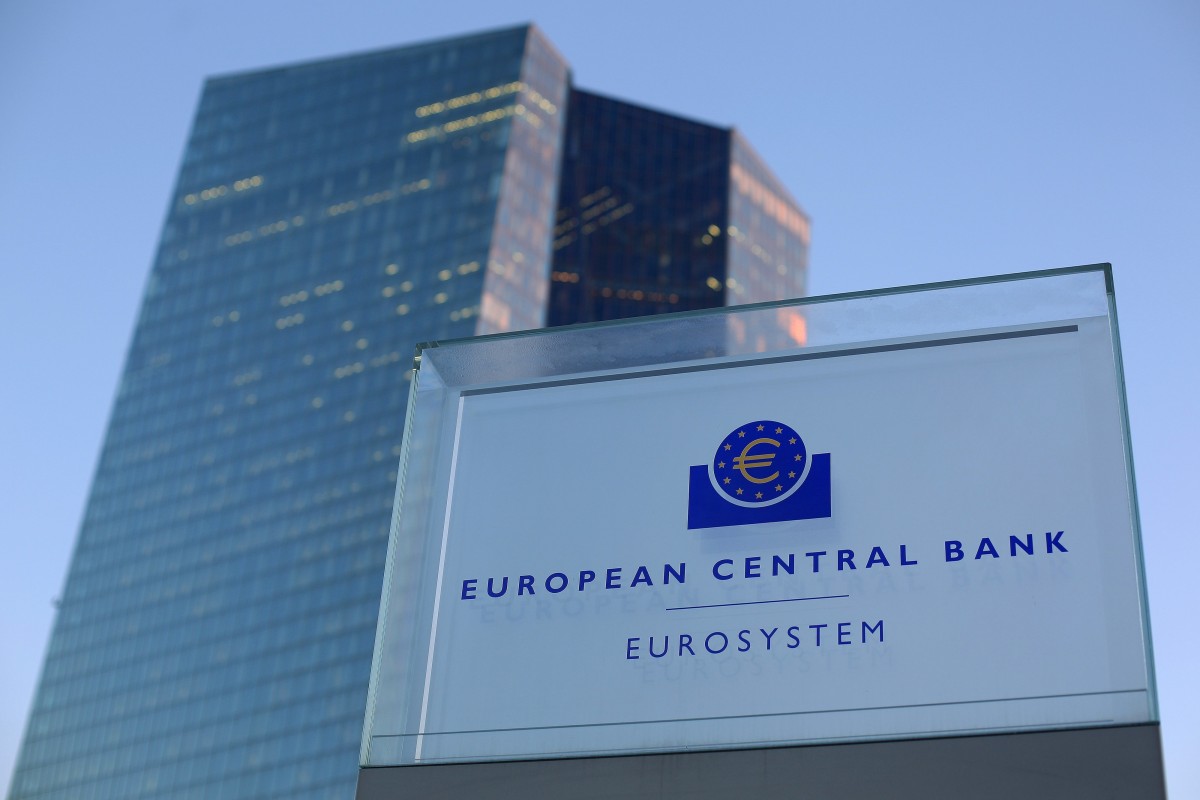
Pedro Machado, Member of the ECB Supervisory Board, delivered a keynote on EU securitisation at the European Financial Institutions Conference in Frankfurt on 30 September 2025. Titled “Securitisation: You Can Never Tranche the Same Portfolio Twice”, his speech outlined the evolution, benefits, risks, and future outlook of EU securitisation markets.
Machado explained the basics: securitisation is a financial technique that tranches the credit risk of a loan portfolio into notes of different seniority, which can be sold to investors or retained by the originator. He emphasized that securitisation is neither inherently good nor bad, but a powerful tool that requires careful management.
For banks, securitisation allows partial transfer of credit risk, reduces sectoral or borrower concentration, and—when risk transfer is significant—can lower regulatory capital requirements. Investors gain access to diversified exposures, and the real economy benefits as banks’ balance sheets are freed for new lending, supporting the EU Capital Markets Union.
The 2008 financial crisis highlighted the risks of securitisation. Since then, the EU has strengthened its regulatory framework: risk retention rules, capital calculation standards, disclosure requirements, and restrictions on complex CDOs have all improved market resilience. The 2017 EU Securitisation Regulation and Basel III implementation further enhanced safety.
Machado highlighted the growing importance of synthetic securitisations in Europe, which transfer credit risk without providing funding. By the end of 2023, the EU accounted for half of the global synthetic securitisation market. Growth is driven by lower costs, risk-transfer benefits, and an expanding investor base. Supervisors carefully assess these transactions to ensure significant risk transfer and sound risk management.
Recent EU legislative proposals aim to simplify rules, support standardized and resilient transactions, and monitor lending. Machado stressed avoiding unnecessary complexity, cautiously reducing capital requirements, and ensuring transparency. The ECB’s fast-track process for simple securitisations shortens assessment times from three months to eight working days, promoting market development.
In conclusion, EU securitisation has evolved significantly since the global financial crisis. It is safer, more transparent, and better aligned with the European financial system, yet it remains a tool that must be used prudently. By prioritizing simplicity and transparency, securitisation can contribute meaningfully to financing the European economy while preserving financial stability.