








Central bank independence and inflation:
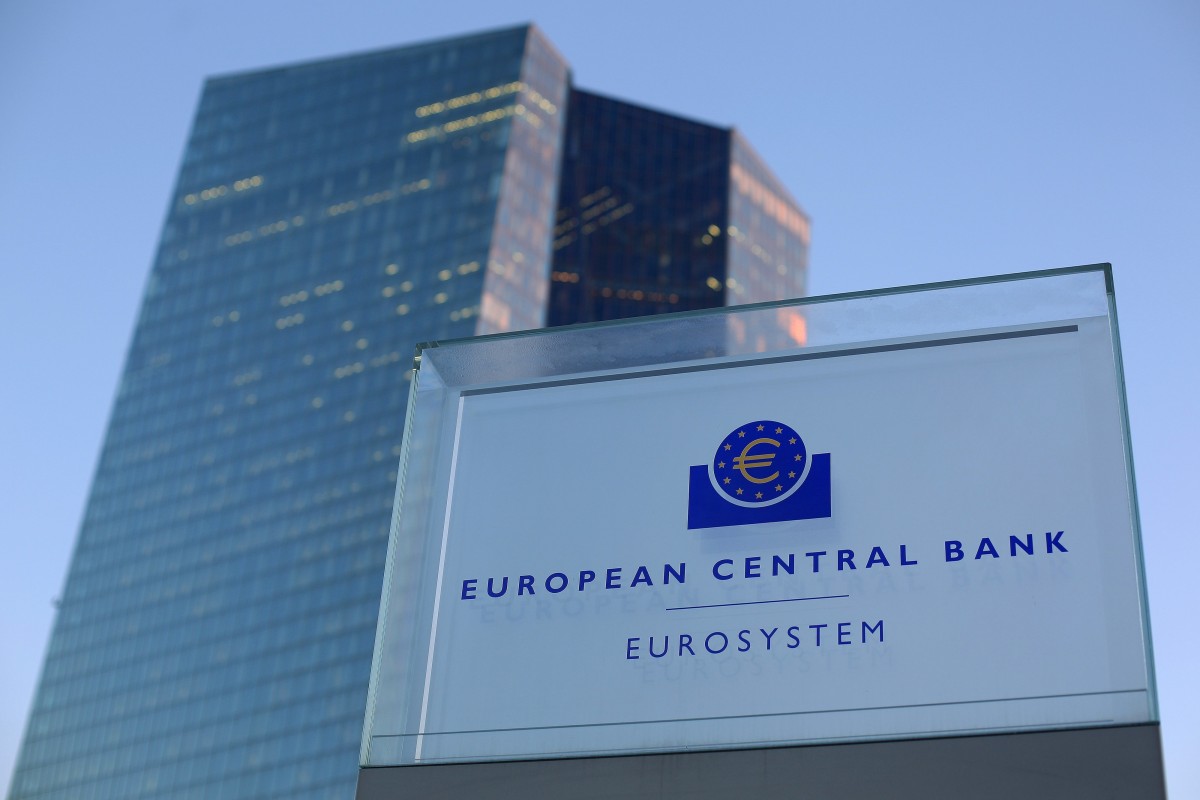
De Guindos emphasized that central bank independence is crucial for controlling inflation and maintaining public confidence. He cited the ECB’s performance during October 2022, when inflation was above 10%, yet expectations remained anchored at 2% due to the ECB’s credibility. He stressed that independence allows monetary policy to focus on price stability rather than serving fiscal policy.
Current inflation and monetary policy:
Euro area inflation is within the ECB’s target range, with services inflation and wage growth stabilizing. The ECB monitors risks, including trade uncertainty, geopolitical tensions (Ukraine and the Middle East), high asset valuations, fiscal policies, and the growing non-bank financial sector. Interest rates are considered appropriate for achieving the ECB’s objectives, and any changes will remain data-dependent.
Fiscal policy and defence spending:
Fiscal policy remains a key challenge, especially with the need for increased defence spending due to NATO commitments. While euro area fiscal deficits and debt ratios have improved, disparities between countries persist. Political stability and prudent fiscal management are critical for long-term sustainability.
Economic growth and labour market:
Euro area growth is modest (around 1–1.5% potential growth), with employment and immigration contributing positively. However, some deceleration in job creation is emerging. Housing shortages, especially for young people, remain a concern, and boosting rental supply is a short-term solution.
Banking sector and financial stability:
European banks are solvent, liquid, and resilient, with stress tests confirming stability. Non-bank financial institutions, including crypto-assets, investment funds, and hedge funds, are growing and require enhanced macroprudential oversight. The ECB continues to promote financial stability and prudential supervision, avoiding crises similar to those seen elsewhere.
Digital euro:
The digital euro, expected to be issued in 2029 if approved, is a technological evolution of cash, designed for payments rather than investment, and will not compete with bank deposits.
Reflections on tenure:
De Guindos identified the pandemic and the post-Ukraine energy-driven inflation surge as the most challenging periods. Positively, the ECB maintained financial stability, avoiding crises like those experienced by some US regional banks or Credit Suisse, demonstrating the effectiveness of its supervision and regulation.