








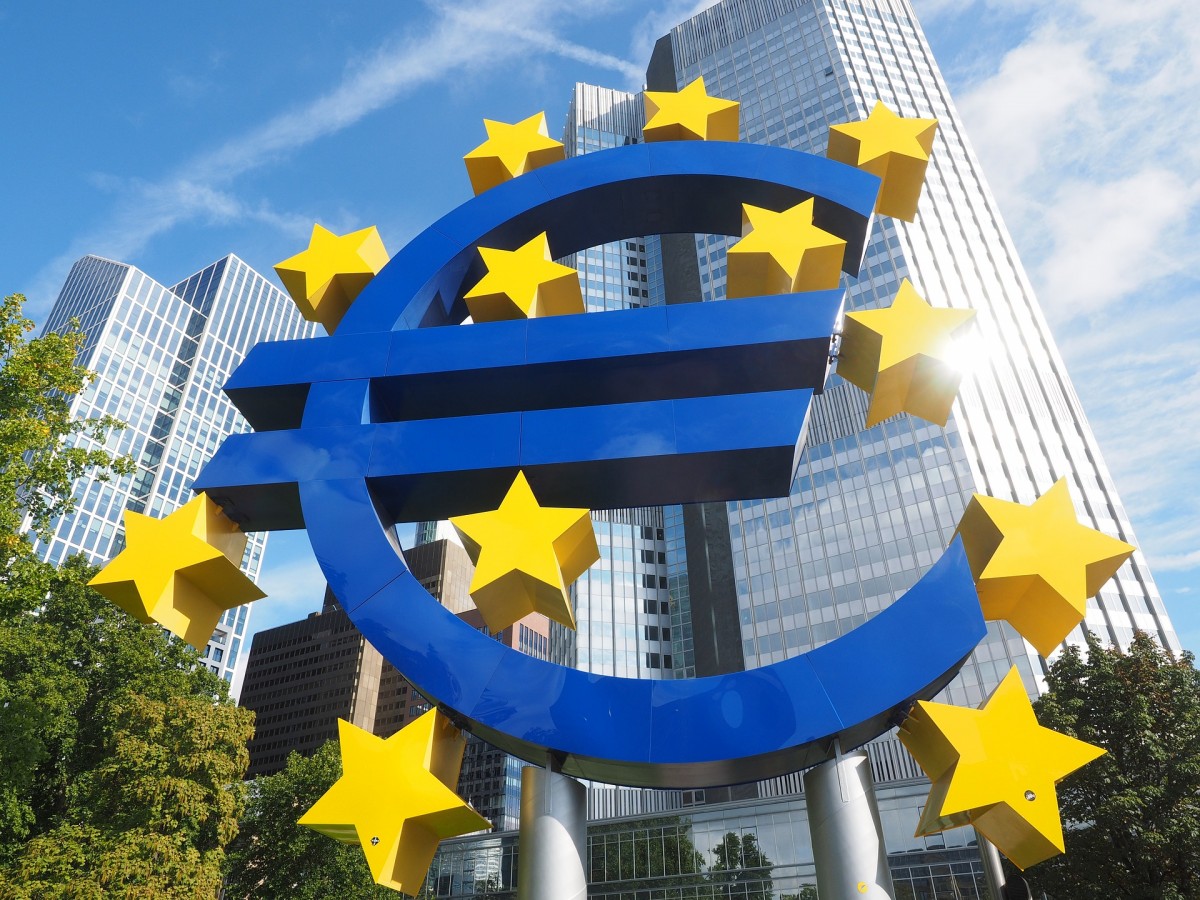
ECB stance on interest rates and monetary policy:
Elderson emphasized that the ECB’s current interest rates are appropriate, with decisions being data-driven and reviewed meeting by meeting. Inflation is projected to converge to the 2% medium-term target, and risks of inflation being higher or lower than expected are balanced. Monetary policy will remain flexible depending on incoming data.
Risks monitored:
Upside risks include global trade fragmentation, rising defence and infrastructure spending, and climate-related pressures affecting food prices. Downside risks include euro appreciation affecting exports and potential trade rerouting. While the euro’s strength matters, policy decisions are data-dependent rather than driven by other central banks’ actions.
Spanish economy:
Spain is currently the fastest-growing large euro area economy, benefiting from immigration, a robust labour market, resilient exports and tourism, and net energy exports from renewables. Inflation is around 2.5%, with persistent service sector price growth. Challenges include insufficient housing supply, uneven per capita GDP growth, and long-term investment needs for productivity, climate, energy, defence, and infrastructure.
European context:
Recent developments such as the US-EU trade agreement and the Middle East ceasefire are positive, though uncertainties remain from trade tensions, geopolitical risks, and potential tighter financial conditions. EU defence and infrastructure spending could boost growth if investments are well-targeted. Structural reforms like completing the banking and capital markets union are also crucial for long-term growth.
Banking sector health and supervision:
European banks remain strong, well-capitalized, and profitable, with robust performance in stress tests. Supervisors continue to ensure resilience amid digitalisation, climate and nature crises, and geopolitical risks. Simplification of regulatory processes is supported, but not at the cost of weakening post-crisis safeguards such as Basel III standards. Cross-border mergers are encouraged under prudential criteria to enhance competitiveness and resilience.
Climate and environmental risk:
The ECB continues to enforce climate and environmental risk management, as illustrated by sanctions on ABANCA, ensuring banks are prepared to manage these risks effectively. Strong supervision strengthens Europe’s financial resilience against shocks.
Conclusion:
Elderson stressed that broad-based resilience, effective supervision, and completing the banking union are essential for maintaining a stable, competitive, and safe European banking system, even amid geopolitical and structural challenges.


