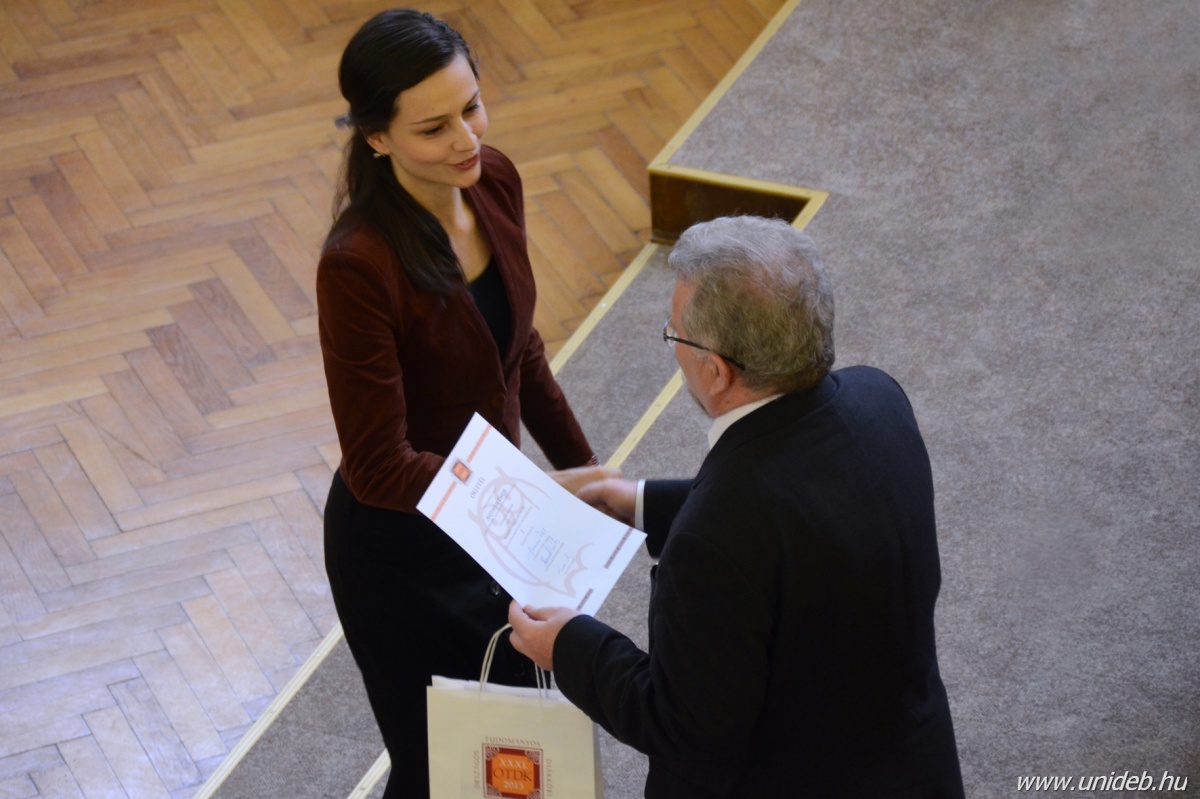





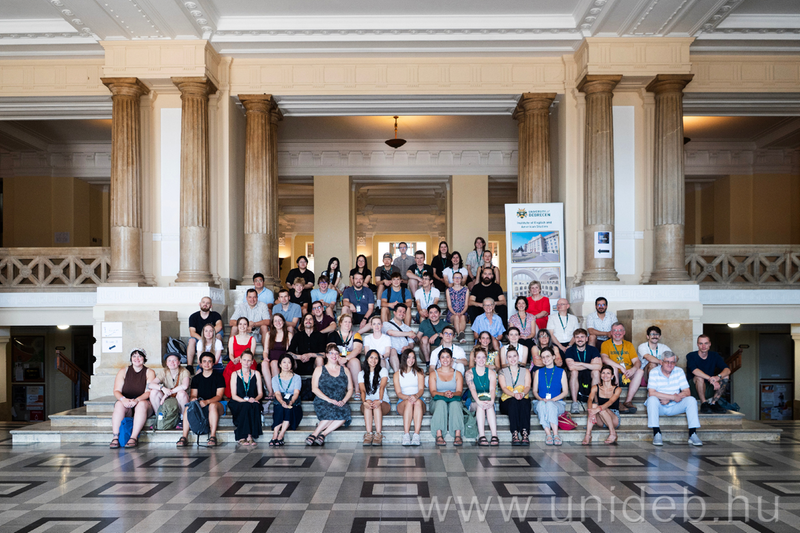
Sixty students received certificates at the end of the second week of the Debrecen Summer School, while 33 new students arrived for the next session. Everyone passed their exams successfully, and the new students have settled into their groups, where they continue to study the Hungarian language diligently.
However, the participants are not only getting to know the Hungarian language, but also the country’s gastronomy, culture and local attractions. Those who would like to discuss the Hungarian language, culture or history in Hungarian or English can do so every Wednesday evening at the Társalgó, together with director Péter Szaffkó.
The folklore programme has remained popular for years. As part of the programme, students not only listen to and watch Hungarian folk songs and dances, but also have the opportunity to learn them, discovering a different region of Hungary each week. The first week focused on the Hajdúság region, featuring local songs, dances and stuffed cabbage. The second week introduced Somogy, while the third week will focus on the Szatmár region, including goulash soup and cabbage scones. The fourth week will feature Moldavian songs and dances.
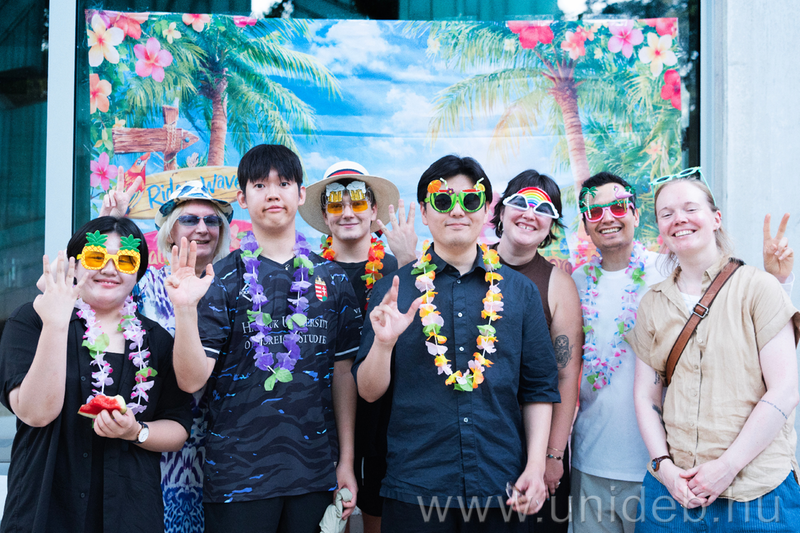
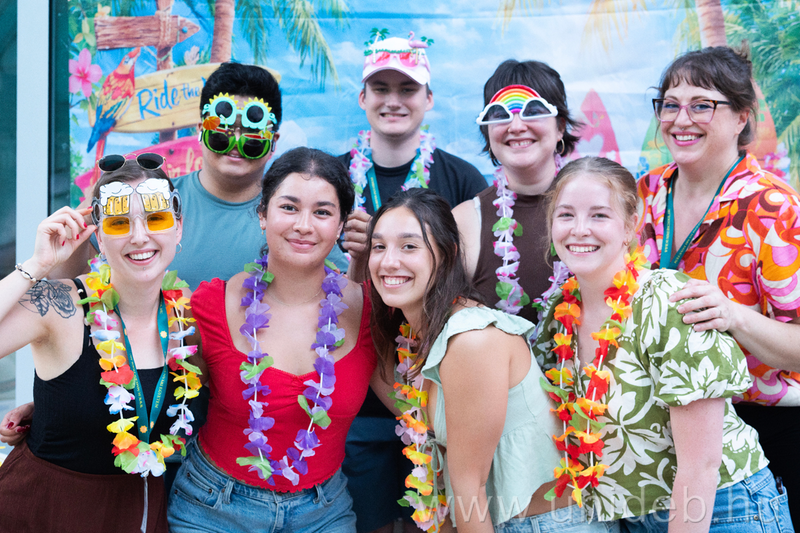
On the second Friday evening, the students enjoyed a beach party. They ate lángos, just like at a traditional Hungarian beach, and dressed up in funny beach outfits. During the evening, they could also test their knowledge of Hungarian waters, rivers and lakes in a water-themed quiz.
During the first weekend, participants could visit Sáránd, where they explored a traditional Hungarian farm, Szeredás Porta. After cooking and baking together in a traditional oven, they could take part in craft activities, braid sweet bread, make homemade csigatészta noodles and even feed the animals.
Next weekend, participants in the second session will visit the open-air museum in Nyíregyháza, where they can take part in traditional village games and make their own ointment at the local historic pharmacy.
(unideb.hu)