







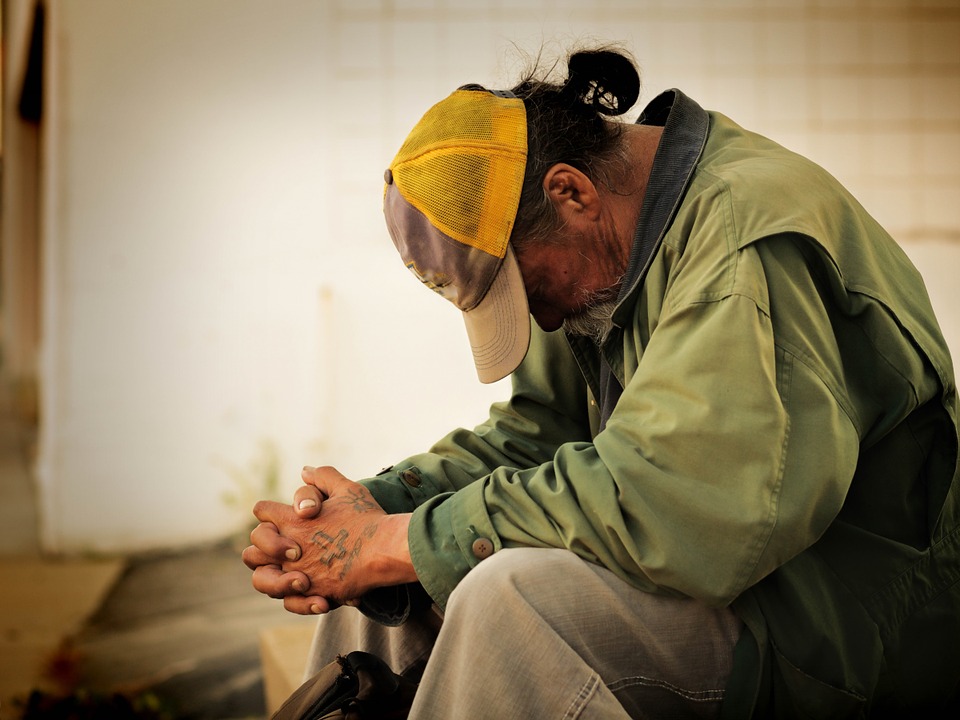
The proportion of elderly people among homeless individuals is rising dramatically in Hungary, with an increasing number of people over the age of 70 ending up in homelessness, according to a survey by the February Third Working Group, which presented its report in Budapest on Friday.
Péter Győri, a member of the working group and chair of the board of the Menhely Foundation, said that the findings are based on the 28th nationwide survey conducted in 2025–2026 among nearly 7,000 homeless people.
He explained that the growing share of elderly homeless people is closely linked to the collapse of home care and institutional care systems, as well as people’s inability to pay utility bills. The trend has also been worsened by the closure of hospital care wards.
According to the report, half of respondents primarily need financial support, while a quarter require food, clothing, or administrative assistance. Around 1,000 respondents also indicated a need for nursing care or mental health support.
The findings show that two-thirds of homeless people are either unable to work or only partially able to work, and their low level of education further limits their employment opportunities. Győri noted that the financial situation of homeless people is “catastrophic,” with most trying to survive on less than 50,000 forints a month, often while also dealing with debt. Around 30 percent require psychiatric care, but there is a shortage of specialists to treat them.
The working group argues that reversing the trend would require rebuilding the institutional care system, expanding support for psychiatric patients and people with addictions, and improving care for those who are chronically ill or unable to look after themselves.
Among its recommendations, the group proposes removing from the constitution the ban on living in public spaces, as well as repealing legal provisions that criminalise homelessness.
They also call for aligning social legislation with reality, extending supported housing options to homeless people, equalising state funding between church and civil organisations, and launching a reconstruction programme to renovate the deteriorating care infrastructure.
(MTI)