








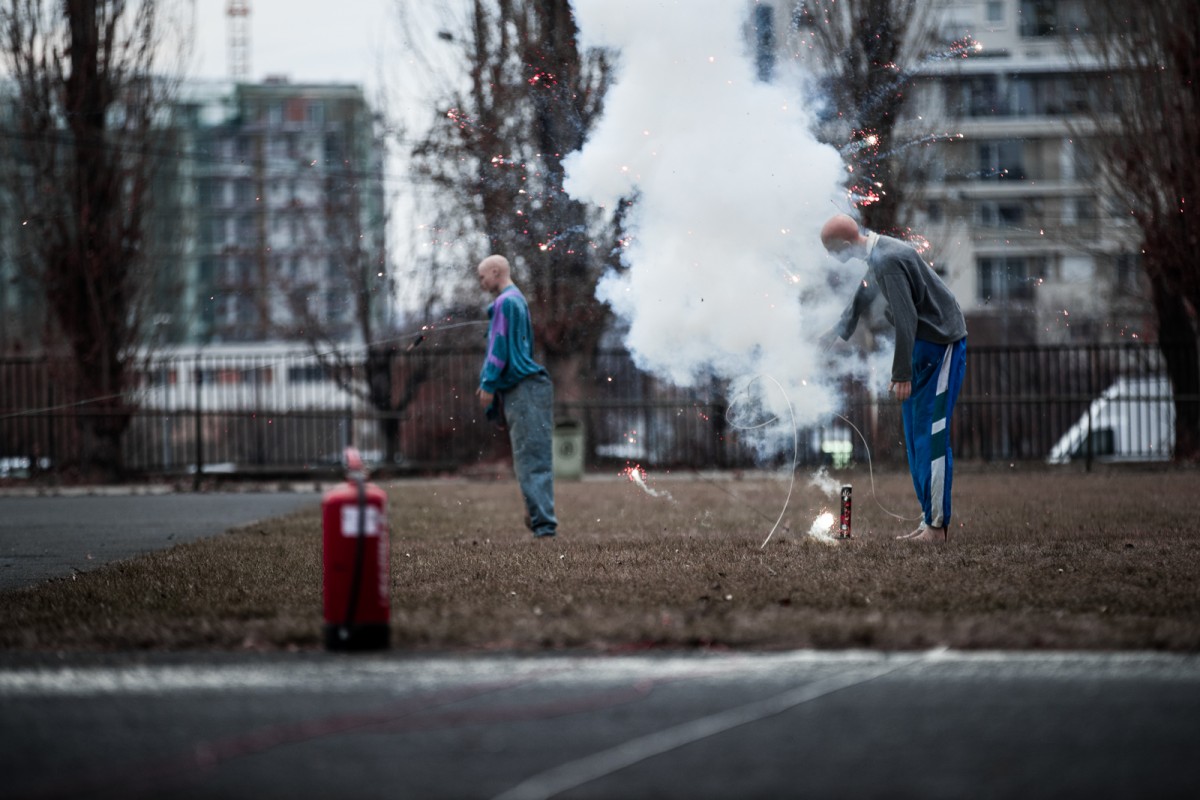
The disaster management authority is warning the public about the safe use of fireworks on New Year’s Eve.
In a statement sent to MTI on Monday, Dániel Mukics, spokesperson for the National Directorate General for Disaster Management of the Ministry of the Interior, emphasized that New Year’s Eve fireworks should only be purchased from designated, legally authorized sales points inspected by the authorities. At these locations, professionally trained vendors sell fireworks that meet fire safety requirements.
Purchased fireworks must be stored properly: pyrotechnic devices should not be left in vehicles; at home they should be kept away from heating equipment, stoves, and other flammable materials; they must not be exposed to sunlight, moisture, or water; and children and pets should not be able to access them, the spokesperson said.
Regarding safe use, Dániel Mukics stressed that fireworks may only be used between 6 p.m. on December 31 and 6 a.m. on January 1, exclusively outdoors — in gardens or public areas. They must not be launched from the windows or balconies of apartment buildings.
It is important to follow the instructions provided with the fireworks, which specify where to place them, where to ignite them, the direction in which they will operate, and the required safety distance, he added.
“Never aim fireworks at people, animals, plants, vehicles, or buildings. Do not launch rockets from under trees, near power lines, or in the immediate vicinity of buildings, or when strong winds are blowing. Only operate one firework at a time, so there is enough time to move away to the prescribed safety distance. If a firework that has been ignited does not go off, do not approach it for at least 15 minutes; afterward, soak it in water. Fireworks must not be dismantled or modified, and if a firework becomes wet, it must not be used even after it has dried. Do not immediately dispose of the still-hot remains of used fireworks in trash containers, as these often cause fires — sometimes even igniting nearby cars or buildings,” Dániel Mukics warned.
Disaster management authorities warn about the safe use of fireworks
The disaster management authority is warning the public about the safe use of fireworks on New Year’s Eve.
In a statement sent to MTI on Monday, Dániel Mukics, spokesperson for the National Directorate General for Disaster Management of the Ministry of the Interior, emphasized that New Year’s Eve fireworks should only be purchased from designated, legally authorized sales points inspected by the authorities. At these locations, professionally trained vendors sell fireworks that meet fire safety requirements.
Purchased fireworks must be stored properly: pyrotechnic devices should not be left in vehicles; at home they should be kept away from heating equipment, stoves, and other flammable materials; they must not be exposed to sunlight, moisture, or water; and children and pets should not be able to access them, the spokesperson said.
Regarding safe use, Dániel Mukics stressed that fireworks may only be used between 6 p.m. on December 31 and 6 a.m. on January 1, exclusively outdoors — in gardens or public areas. They must not be launched from the windows or balconies of apartment buildings.
It is important to follow the instructions provided with the fireworks, which specify where to place them, where to ignite them, the direction in which they will operate, and the required safety distance, he added.
“Never aim fireworks at people, animals, plants, vehicles, or buildings. Do not launch rockets from under trees, near power lines, or in the immediate vicinity of buildings, or when strong winds are blowing. Only operate one firework at a time, so there is enough time to move away to the prescribed safety distance. If a firework that has been ignited does not go off, do not approach it for at least 15 minutes; afterward, soak it in water. Fireworks must not be dismantled or modified, and if a firework becomes wet, it must not be used even after it has dried. Do not immediately dispose of the still-hot remains of used fireworks in trash containers, as these often cause fires — sometimes even igniting nearby cars or buildings,” Dániel Mukics warned.
(MTI)