






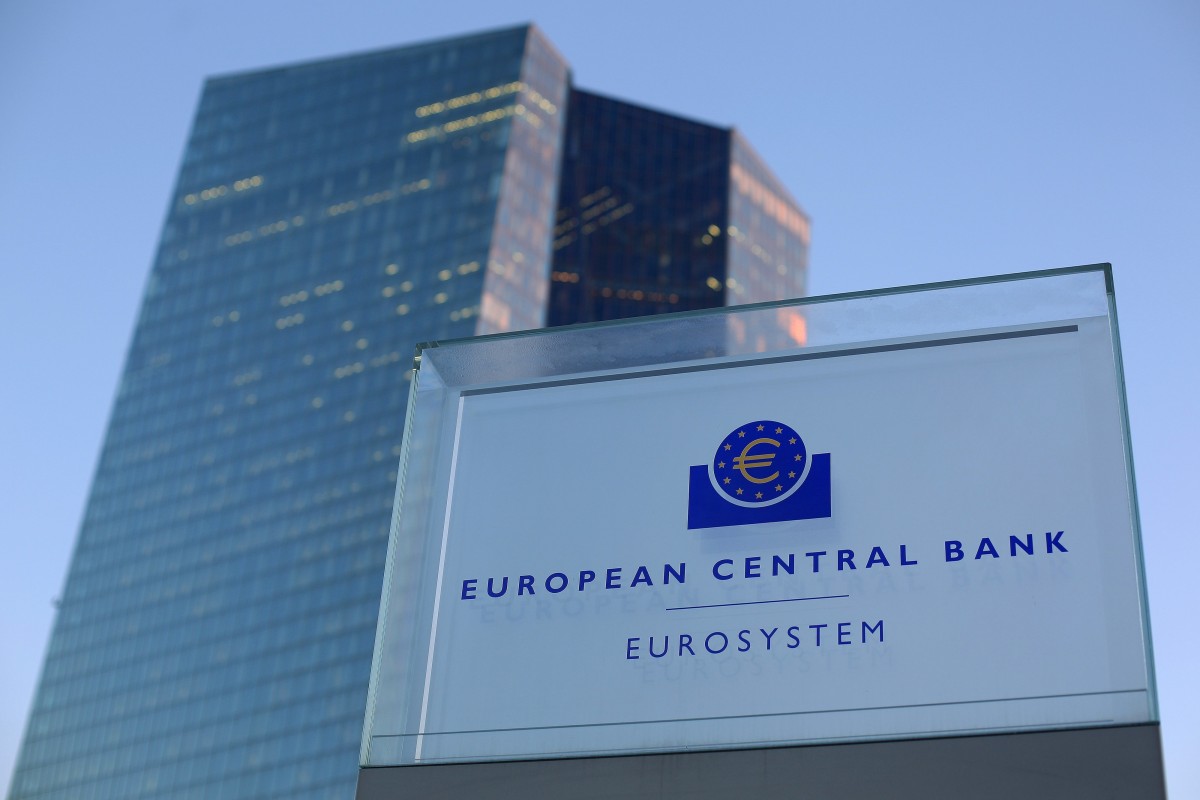
The European Central Bank (ECB) has updated its wage tracker, covering active collective bargaining agreements in eight euro area countries, with data up to early October 2025 and extending the forward-looking horizon to September 2026. Preliminary readings for the first three quarters of 2026 indicate slower and more stable wage growth, with employee coverage remaining limited at 19.4% in Q3 2026.
Negotiated wage growth, including smoothed one-off payments, is projected at 2.2% in Q3 2026, while the tracker excluding one-off payments stands at 2.4%. This follows a downward trend from 4.7% in 2024 and 3.2% in 2025. The forward-looking decline partly reflects the impact of large one-off payments made in 2024 and the frontloading of wage increases in some sectors.
The ECB notes that the wage tracker is subject to revisions and should not be interpreted as a forecast, as it only reflects information available from active agreements. For broader euro area wage trends, ECB staff projections indicate yearly growth in compensation per employee of 3.4% in 2025 and 2.7% in 2026.
The updated wage tracker provides four indicators—headline, excluding one-offs, with unsmoothed one-offs, and employee coverage—offering insights into negotiated wage dynamics and their representativeness across participating countries.