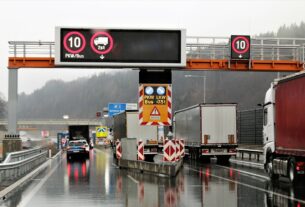









The European Environment Agency (EEA) reports that environmental factors such as air pollution, extreme temperatures, transport noise, and exposure to harmful chemicals contribute to about one in five cardiovascular deaths in the EU. These deaths are potentially preventable through effective environmental policies.
Key points:
-
Cardiovascular disease (CVD) is the leading cause of death in the EU, with over 1.7 million deaths in 2022 (around one-third of all deaths). Environmental factors account for at least 18% of these deaths.
-
More than 6 million new CVD cases are diagnosed annually, with an economic cost of €282 billion.
-
While some CVD risk factors, like genetics and age, are hard to modify, environmental and behavioral factors can be addressed through policy interventions.
-
The EU has successfully reduced air pollution in the past, supporting the zero pollution action plan, which aims to cut premature deaths from air pollution by over 55% by 2030 compared to 2005.
-
Key environmental risk factors differ regionally and include: air pollution, extreme weather/temperatures, transport noise, and exposure to toxic chemicals (heavy metals, endocrine disruptors).
Recommended actions to reduce cardiovascular risks:
-
Implement existing policies such as the Ambient Air Quality Directive to meet WHO air quality standards.
-
Reduce transport noise and enforce chemical regulations, phasing out cardiotoxic substances.
-
Prepare health systems for climate impacts via early warning systems, public health campaigns, and targeted support for vulnerable groups.
-
Integrate environmental health into medical and nursing education.
-
Apply the One Health approach to protect human, animal, and ecosystem health simultaneously.
-
Raise public awareness about environmental cardiovascular risks and promote healthy lifestyles.
-
Introduce nature-based solutions (urban greening, parks, green corridors, and blue spaces) to improve air quality, reduce noise, and encourage physical activity.
The briefing emphasizes that environmental improvements can protect millions of Europeans from heart disease and save lives.