








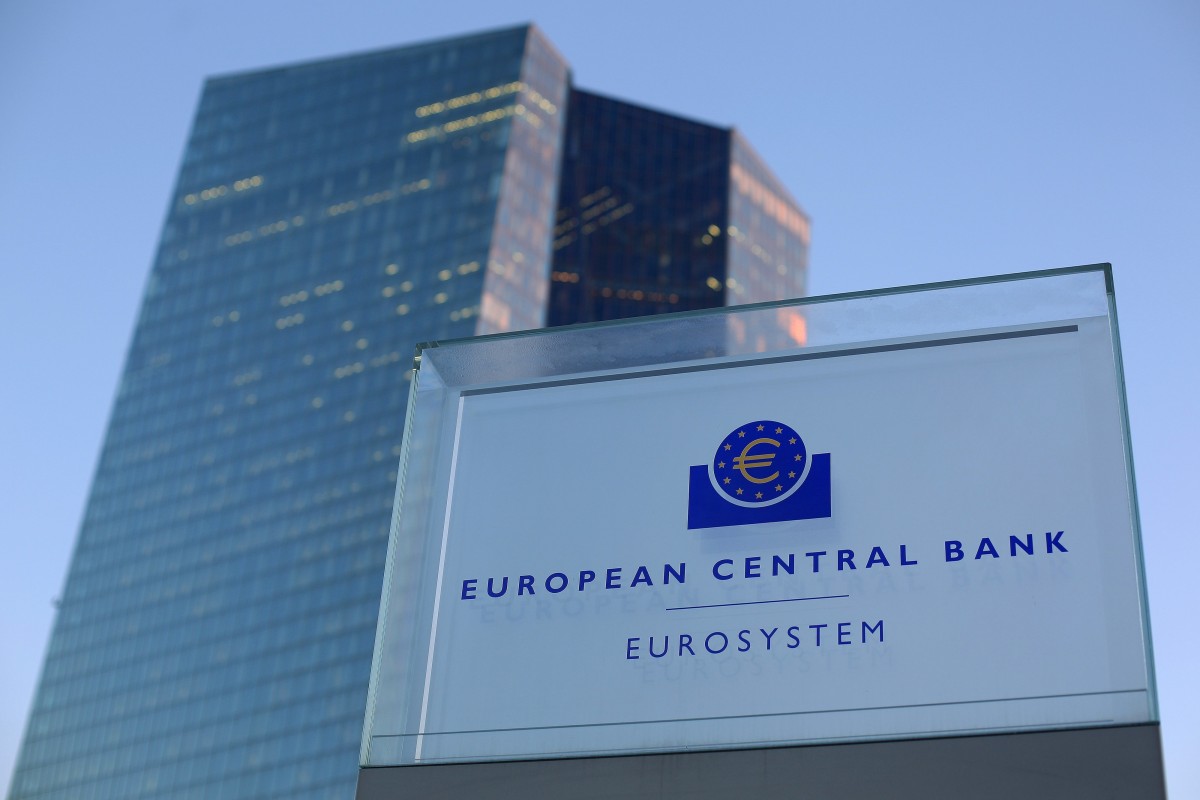
Geopolitical risk has become a central concern for European banking supervisors amid rising global uncertainty, according to Sharon Donnery, a member of the ECB’s Supervisory Board, in an interview with the Business Post. Donnery said recent years have seen a sharp increase in geopolitical tensions, which can affect banks through economic shocks such as trade disruptions, financial market volatility and cyberattacks.
She noted that last year’s ECB stress test, which included scenarios linked to trade tensions, showed that the euro area banking sector was broadly resilient. This year, supervisors are conducting a reverse stress test, requiring banks to identify the most severe geopolitical scenarios that could significantly deplete their capital, taking into account their specific business models, country exposures and customer bases. The ECB plans to publish an overview of the results later this year.
Donnery said supervisors continuously monitor sovereign and currency exposures, including risks related to potential market disruptions or large-scale sell-offs of government bonds. While exchange rate movements and trade pressures may affect some sectors, particularly small and medium-sized enterprises, she said there is no evidence of systemic fragility in the banking sector. Modest increases in non-performing loans have been observed in certain countries and subsectors, but these are linked to broader macroeconomic conditions rather than a single trigger.
On regulatory simplification, Donnery stressed that easing complexity does not mean deregulation. Capital and liquidity requirements remain a “red line” for supervisors, and any changes to the prudential framework should preserve the banking system’s resilience. Simplification efforts are aimed at streamlining processes and focusing supervision more closely on key risks, rather than lowering capital standards.
She also addressed competitiveness concerns, warning against a global “race to the bottom” in regulation. Donnery argued that strong, well-capitalised banks are more competitive over the long term and better able to support the real economy during downturns.
Donnery expressed support for deeper European financial integration, including progress on the savings and investments union and banking union. She said stronger and more harmonised supervision, including of non-bank financial institutions, could help reduce fragmentation and enhance financial stability, though centralised supervision alone would not deliver a fully integrated market.
On securitisation, she said the ECB supports its use provided it involves genuine risk transfer and avoids excessive complexity, learning lessons from the 2008 financial crisis. Simpler, standardised securitisations would face faster supervisory approval, while more complex structures would be scrutinised closely.
Donnery also defended the case for a digital euro, arguing it would strengthen Europe’s payments sovereignty as cash use declines, while respecting privacy and data protection. She said the digital euro could enhance the resilience and autonomy of Europe’s payments infrastructure amid geopolitical uncertainty.
Finally, Donnery underlined the importance of central bank independence, warning that political interference undermines credibility and long-term economic stability. Looking ahead to Ireland’s upcoming EU Council Presidency, she said competitiveness, regulatory simplification and progress on the digital euro are likely to be key priorities in a challenging global environment.