








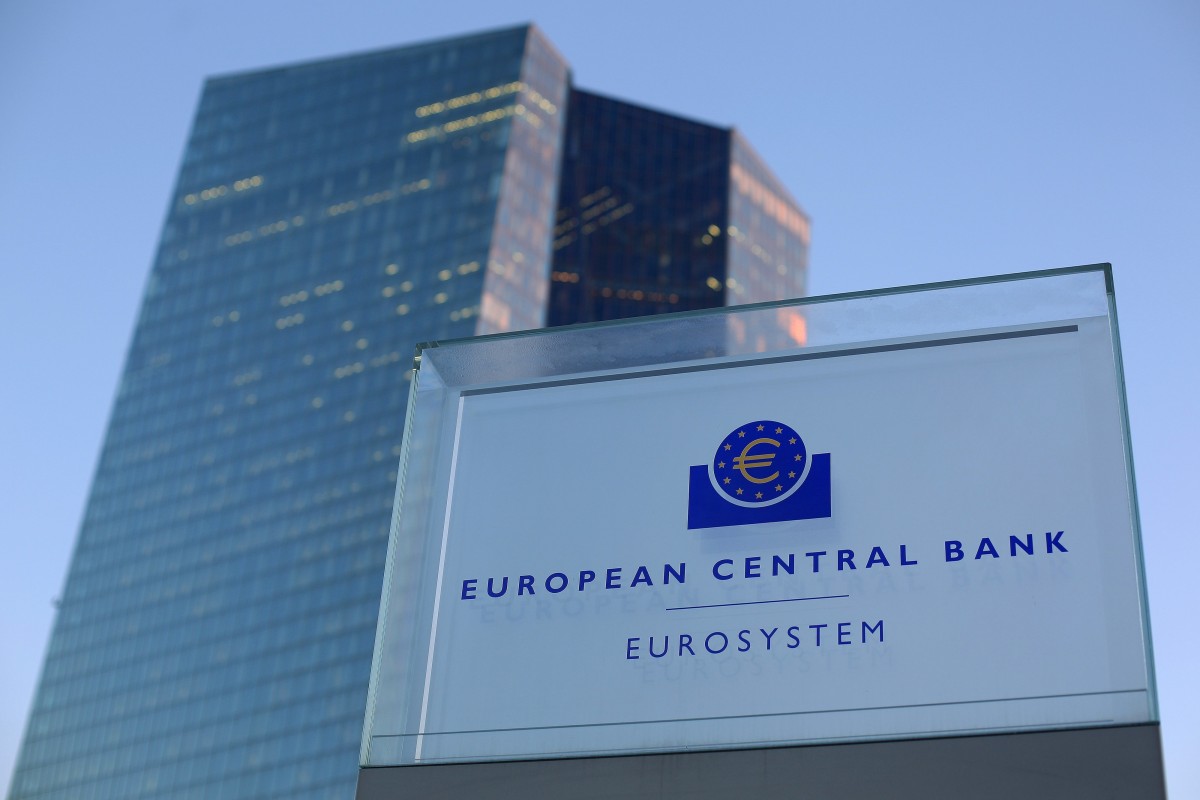
The European Central Bank (ECB) has published updated statistical climate indicators to enhance financial institutions’ ability to assess developments in sustainable finance and climate-related risks. The updates include advanced methodologies, new datasets, and adjustments for inflation, allowing more accurate tracking of decarbonisation efforts and climate hazards.
Sustainable finance indicators:
-
Issuances and holdings of sustainable debt securities in the euro area continue to grow, though at a slower pace.
-
New breakdowns by currency, maturity, and interest rate type offer a more detailed market view.
-
Total issuances have nearly quadrupled over four years, reaching EUR 1.74 trillion in September 2025, with annual growth slowing from 20% to 10%.
-
Total holdings reached EUR 1.96 trillion in June 2025, a 14% increase from the previous year.
Transition risk indicators:
-
Euro area banks’ portfolios show a consistent decline in carbon emissions and transition risk despite portfolio growth.
-
Between 2018–2023, financed emissions from loans fell 45%, carbon intensity 43%, and carbon footprint 54%.
-
Securities portfolios show a 16% reduction in financed emissions and a 48% decrease in carbon footprint over 2018–2024.
Physical risk indicators:
-
Exposure to climate-related hazards, such as floods, heat stress, and water stress, is increasing across the euro area.
-
High-emission scenarios project dramatic rises in precipitation and temperature-related risks, with nearly all exposures reaching the highest risk categories by the end of the century.
-
Water stress varies regionally, with Southern European countries like Spain, Portugal, and France facing the highest risk increases, while Northern European countries show smaller rises.
These indicators provide policymakers, investors, and analysts with improved insights into the euro area’s sustainable finance market and the evolving risks associated with climate change.
(ecb.europa.eu)