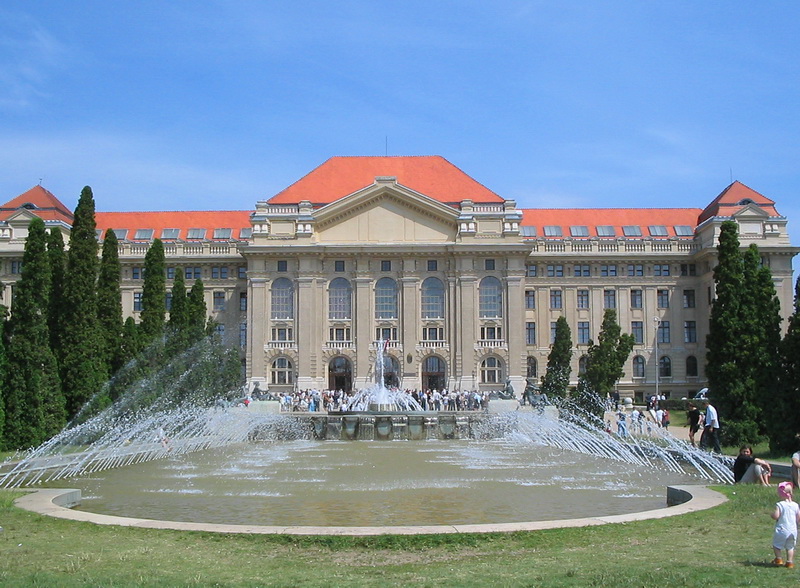








The University of Debrecen is marking the 35th anniversary of its kidney transplantation programme, which has grown into one of Hungary’s leading transplant centres since the first operation was performed on 27 June 1991 under the leadership of surgeon Dr. László Asztalos.
Over the past three and a half decades, the centre has carried out 1,335 kidney transplants, including its 35th living donor kidney transplant, completed in recent days. Today, the university serves a region of more than 1.5 million people across three counties and has earned recognition both nationally and internationally for its transplant programme.
A major milestone came in 2013, when Hungary joined Eurotransplant as a full member, integrating the country’s organ allocation system into an international, transparent, data-driven network with strict quality standards. The Debrecen transplant centre has consistently delivered excellent results within this framework.
The centre’s long-term transplant outcomes are among the best in Hungary. While the national long-term kidney graft survival rate is around 70 percent, transplanted kidneys in Debrecen have an 80 percent long-term survival rate.
According to Dr. Balázs Nemes, Head of the Department of Organ Transplantation and Director of the Kidney Transplant Unit, one of the programme’s key goals is to increase the number of living donor kidney transplants. Although many more patients could benefit from transplantation, some are referred too late because of advanced health conditions, while others remain hesitant due to misconceptions or fears about organ transplantation.
To improve awareness, the university has organised educational programmes throughout the region and helped establish a patient association promoting kidney transplantation as a life-changing alternative to long-term dialysis.
“Kidney transplantation is not only medically beneficial but also socially and economically important,” Dr. Nemes said. “Instead of spending years on costly dialysis, patients can return to work, live independently, and regain a much better quality of life.”
The university also hopes to expand the use of Hungary’s living donor kidney exchange programme, which allows incompatible donor-recipient pairs to exchange kidneys with other pairs through a nationwide matching system.
Another strategic objective is to strengthen the role of regional university hospitals in organ procurement. A planned national training programme would enable surgeons in Debrecen, Pécs, and Szeged to independently retrieve donor livers, reducing delays and costs associated with the current centralised system.
Alongside its clinical work, the University of Debrecen has developed a strong educational and research base in transplantation. The programme has produced dozens of doctoral dissertations and around 90 scientific publications, while organ and tissue transplantation has been taught in both Hungarian and English for several years. An English-language textbook for medical students is expected to be published later this year.
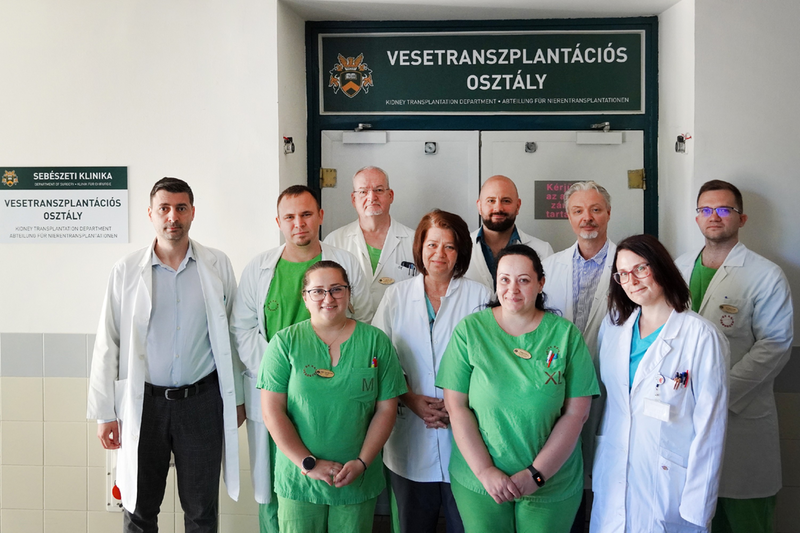
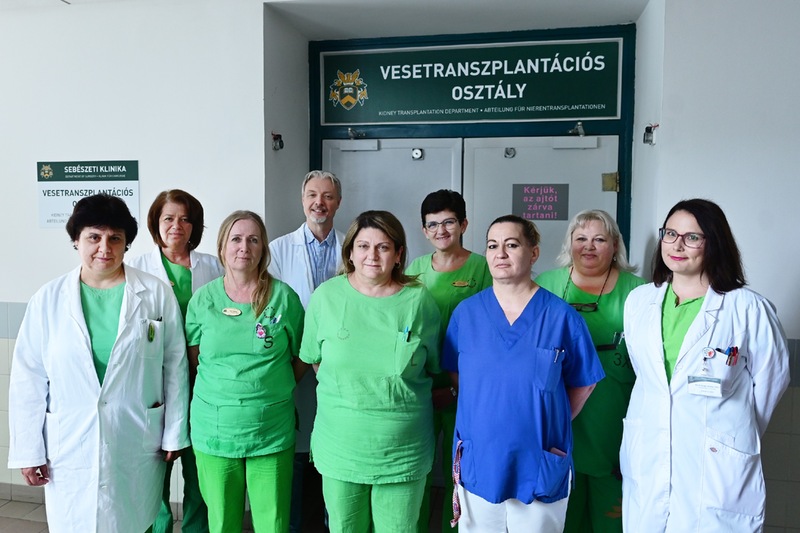
The transplant team currently includes six transplant surgeons, with two more young specialists in training—an exceptional level of staffing in Hungary. Patients also receive comprehensive support from specialised nurses, dietitians, physiotherapists, and clinical psychologists.
University leaders praised the dedication of generations of healthcare professionals who have built the programme over the past 35 years, describing the Debrecen kidney transplant centre as one of the country’s most important examples of high-quality, team-based specialist care.
(unideb.hu)