








According to transaction data from Duna House, around eight out of ten buyers – 78% of clients – managed to purchase property below the asking price in January 2026. This marks an increase compared to 74% at the beginning of 2025. At the same time, the proportion of bidding buyers slightly declined: after 6.2% last year, only 5.8% of transactions in January this year closed above the asking price, the real estate agency told MTI.
Péter Szegő, leading analyst at Duna House, highlighted in the statement that last year was a turning point for the property market, when returning investors and state subsidies often triggered bidding wars.
However, at the beginning of 2026, these effects have become more moderate. Buyers are much more cautious, and bidding typically occurs only for properties in good condition and ready for immediate occupancy.
He added that the market has already priced in previous price increases, so buyers are now examining value for money more strictly. The opportunity for negotiation has reopened where supply is more abundant.
In the capital, property owners in Buda remain confident, with the lowest level of price negotiations: on average just 3.4% across all property types. By contrast, on the Pest side, buyers are bolder, with an average discount of 4.8%.
There is greater room for negotiation in the countryside, where the average discount approaches 7%. In Eastern Hungary – including Miskolc and Debrecen – discounts range between 4% and 8%. In Western Hungary, especially around Győr, there is minimal room for negotiation in the case of good-condition brick apartments, but discounts above 10% are common for houses.
Among major cities, Pécs shows one of the most stable negotiation levels: in both January 2025 and January 2026, the overwhelming majority of transactions – 88% this January – closed with a discount. In Debrecen and Szeged, the market is more balanced, with discounts consistently between 4% and 5%. In Győr, owners of brick apartments continue to hold their prices, and buyers must settle for minimal concessions of 1–2%, reflecting the western Hungarian hub’s undiminished popularity, the statement said.
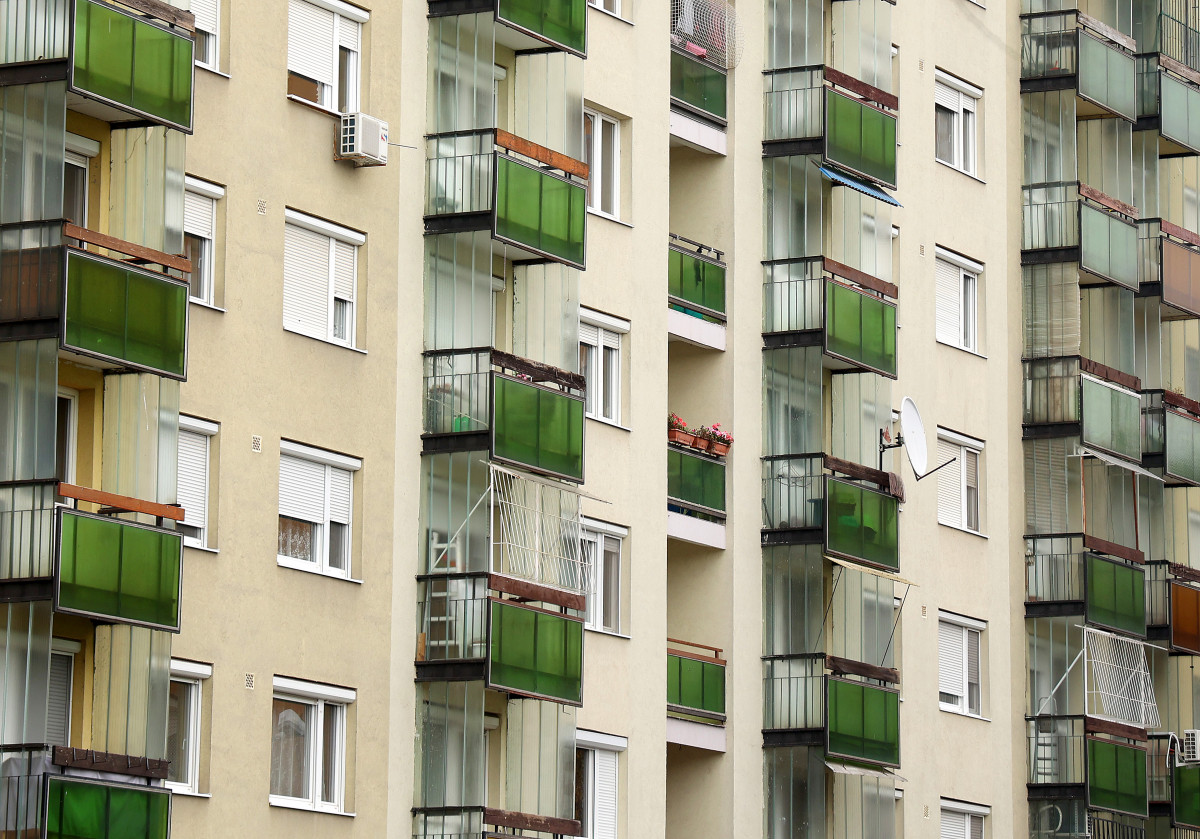
Based on transaction data, panel apartments offer the least room for negotiation: often only 1–3% in Budapest and a maximum of 4% in the countryside, with Pécs being an exception. Demand remains strong for this property type due to lower maintenance costs. For brick apartments, bidding is still present in good-condition downtown units, but for properties requiring renovation, buyers can secure discounts of 5–8%. Houses show the widest variation: while modern homes in the metropolitan area attract bidding, 10–15% discounts are not uncommon for outdated family houses in rural areas.