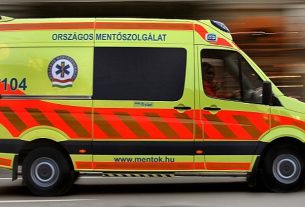






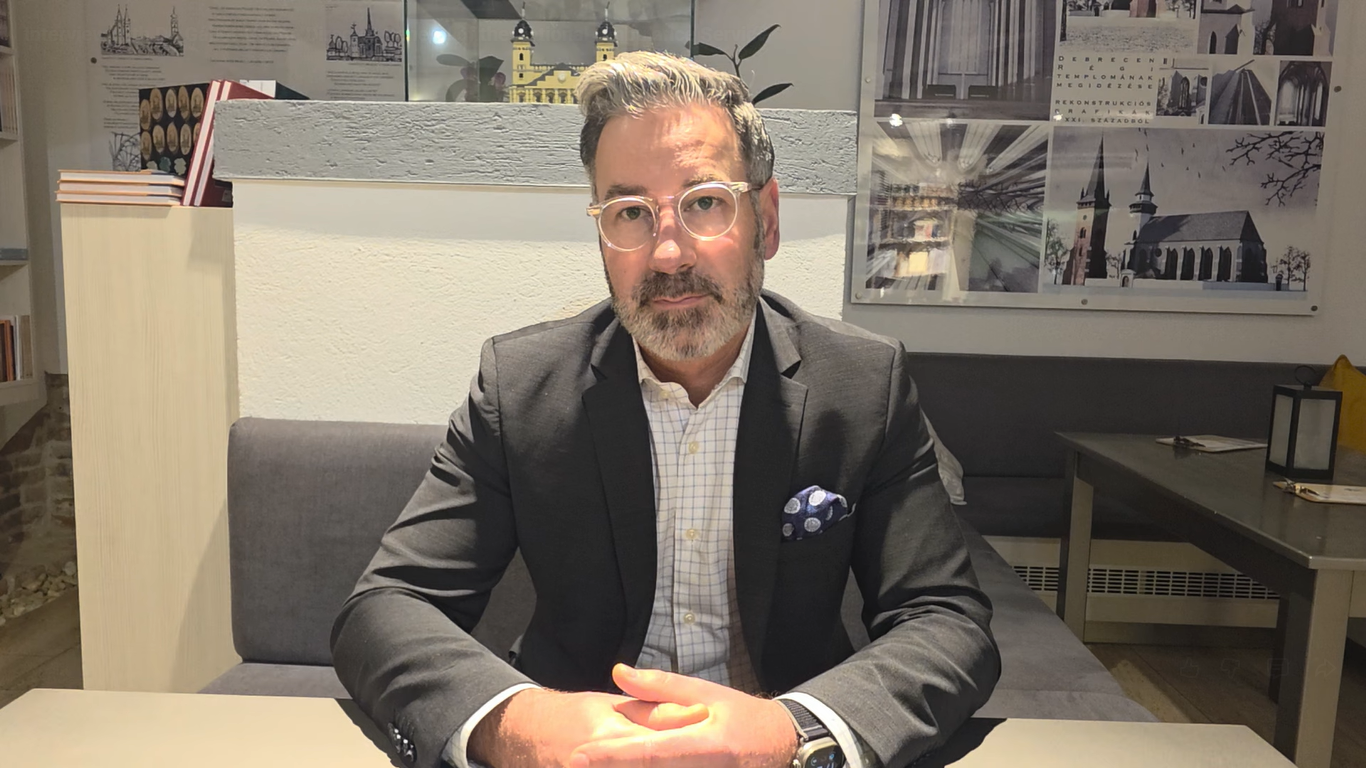
At the “Szia, Mentő!”/“Hello, Paramedic!” event held at Karakter 1517 Bookstore and Cafe we had the opportunity to speak with Gábor Csató, Director General of the Országos Mentőszolgálat, about the challenges facing emergency care and the importance of personal responsibility for health.
In the past five years, we have seen that the ambulance service has had to handle around 20% more cases, not only in Hungary but worldwide. What are the reasons behind this trend?
This is a global trend. We see that more and more patients are trying to find solutions to their problems within the healthcare system – not only in Hungary, but everywhere. This does not affect only emergency services, but also outpatient clinics and hospitals. We expect even more patients in the future, as healthcare systems worldwide are reshaping themselves and trying to adapt to new challenges and patient demands.
We believe this is partly connected to the post-COVID era and the transformation of healthcare systems globally, as they seek new ways to cope with changing needs and expectations.
Another important factor is that patients today are used to immediate access to services. Through social media and smartphones, they can order food, call a taxi, or arrange a courier at any time. With this attitude, many feel that healthcare services should also be available instantly, whenever they want them.
So it is a very complex issue. Patient demand is increasing everywhere, and healthcare systems are trying to respond by expanding capacity, educating patients, and helping them find the right patient pathways. We all want to help, of course – that is why we are here. However, it is very difficult to provide the right solution if patients are not actively involved in their own care.
What would you recommend to people? What should they do to live a healthier life?
I usually say that health does not belong to healthcare professionals – it belongs to the individual. It is your health, and it is your responsibility to take care of it. That means getting enough exercise, eating good-quality food, and reducing stress. I know it is easier said than done, but it truly depends on each person.
We are here to help, but the first step must come from the individual. Everyone has to do their own “homework” in order to live a healthier life. After that, the healthcare system can provide support and assistance.
As we understand, it was your initiative to create so-called life-saving points across Hungary, where the ambulance service provides education and companies provide the equipment.
Yes, this refers to automated external defibrillators (AEDs). It is a very popular and highly useful program. We have created an AED map – a national defibrillator map. This allows healthcare professionals and bystanders alike to locate the nearest defibrillator quickly.
If we receive a call about a cardiac arrest, we can alert nearby bystanders to assist the patient. We have a mobile application called “Szív City” (Heart City). If you download it and a cardiac arrest occurs within a 500-meter radius of your location, you receive an alert. You can then go to the scene, check on the patient, and begin helping while the ambulance is on its way.
You can bring a defibrillator to the patient and start CPR until professional help arrives. Thanks to this program and the involvement of the public, we have increased the survival rate of out-of-hospital cardiac arrests in Hungary by approximately 50% in recent years.
This demonstrates how important community involvement is in saving lives.