








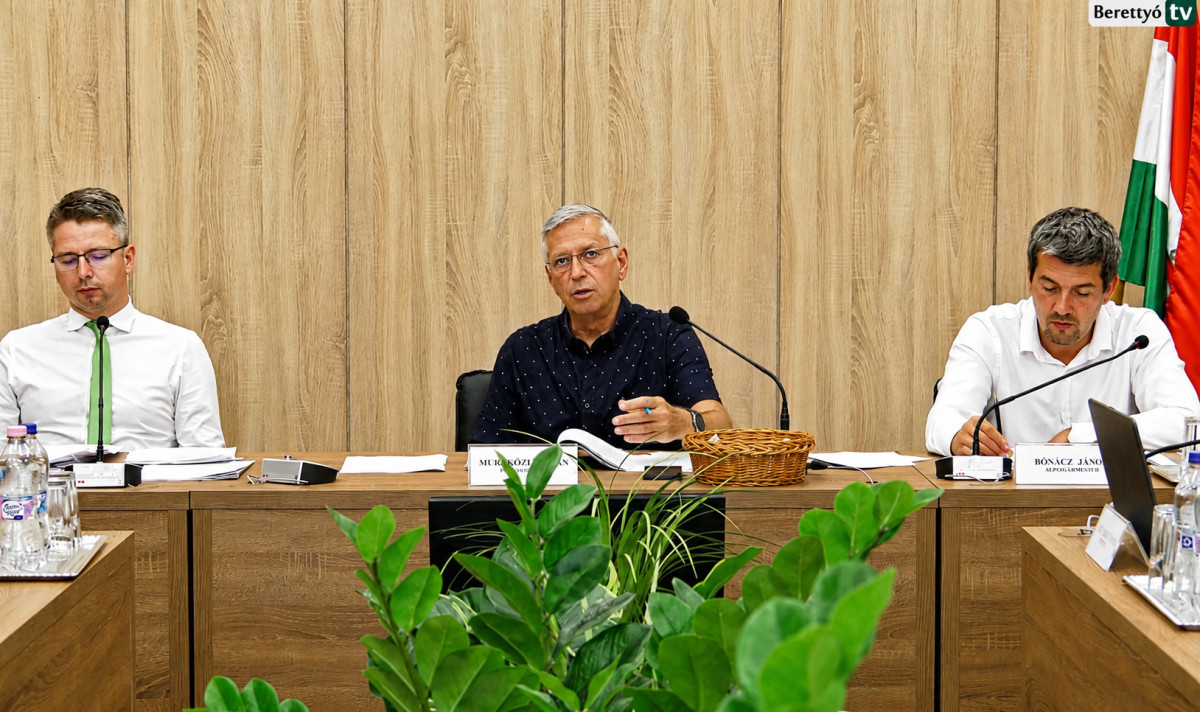
At its meeting last week, the Berettyóújfalu municipal council, where the ruling Fidesz party holds a strong majority, amended the town’s local environmental protection and public cleanliness ordinance.
Mayor István Muraközi explained that the amendment was prompted by two issues, one of which was the emergence of animal feeding stations—primarily for cats—in central parts of the town. According to the mayor, these feeding points should be prohibited because leftover food attracts rodents. As a result, feeding stray animals in public spaces is now prohibited in Berettyóújfalu.
Does the ban apply to all animals?
The broad wording of the regulation raised concerns among opposition councillors. Mária Gálné Lencsés of the Berettyó Public Affairs Association asked whether placing bird feeders in residential areas during winter could also become punishable.
Mayor Muraközi replied that the lawmakers’ intention was not to target bird feeding. Since enforcement falls under the authority of the municipal clerk, he said he trusts the office to distinguish between harmless activities and those that genuinely disturb community life.
Concerns over the wording
Councillor László Szántai was the strongest critic of the proposal, calling for it to be withdrawn and rewritten. He argued that laws should be judged by their written wording rather than their intended spirit.
He pointed out that, taken literally, the regulation could make it an offence for a dog owner to give their pet a treat or for animal control officers to use bait when capturing stray animals. He also noted that because the ordinance covers the town’s entire administrative area, it could technically affect hunters feeding wildlife or anglers using bait outside the urban area.
Alternative proposal
Tibor Kerecsenyi of the Mi Hazánk party proposed a compromise: instead of banning feeding itself, people who feed animals should be required to clean up any leftover food afterward.
Muraközi responded that experience shows many feeders deliberately leave food far from their own homes—often beneath other residents’ windows or benches—attracting large numbers of stray animals and creating unacceptable conditions.
Independent councillor Dr. Zsolt Zákány also supported the stricter rules, arguing that feeding stray animals in public is not animal welfare but environmental pollution and a significant public health risk stemming from irresponsible pet ownership. He added that while the municipal clerk can filter out malicious complaints, authorities must act against piles of rotting food left in residential neighbourhoods.
Mayor seeks public input
Following heated debate and public reaction, Mayor Muraközi wrote on Facebook that the council’s goal is not to punish well-intentioned animal lovers. Instead, the municipality wants to establish regulated conditions that balance the welfare of stray animals with residents’ quality of life and public health considerations.
Resident complaints prompted the change
According to the mayor, the amendment followed numerous legitimate complaints from residents.
He said feeding stations concentrate stray animals in one location, attract sick animals that may spread disease, and leave food waste that encourages rodent infestations, creating serious public health concerns.
He also stressed that feeding points should not be allowed near apartment blocks, prominent public spaces or tourist attractions, nor should food be thrown from apartment windows.
City to work with animal welfare group
The municipality said it is looking for a solution acceptable to everyone and wants to avoid dividing the community over the issue.
To that end, it has contacted the Kóbor Mancsok Animal Protection Association and plans to hold consultations with residents who regularly feed stray animals.
The aim is to develop clear rules together with animal lovers and designate specific locations where feeding can take place with minimal disturbance to local residents and visitors.
Mayor Muraközi said he believes the issue can only be solved through cooperation and invited residents to submit constructive, humane, and sustainable proposals to help shape the final regulations.