








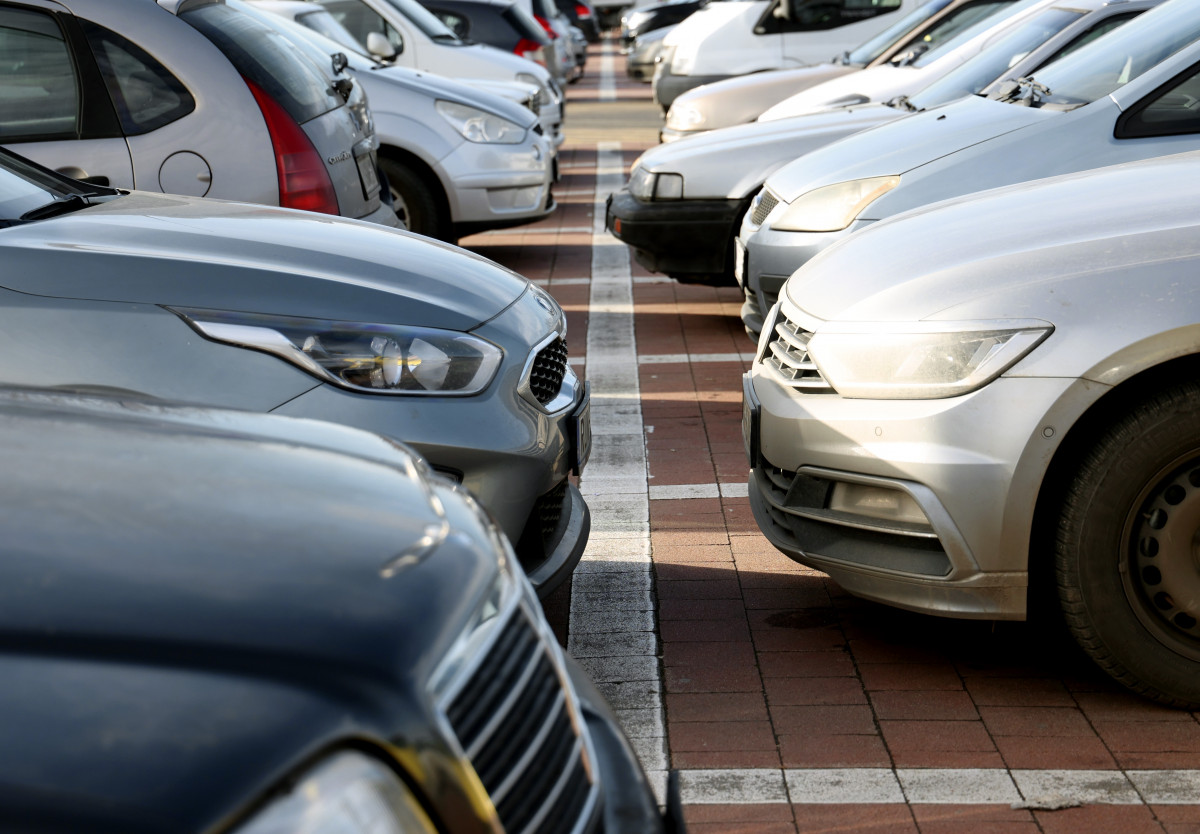
As of today, parking fees in Budapest can only be paid using a mobile phone. Drivers can pay through a mobile app, SMS, or voice call. More than 3,000 parking meters are being removed from the city’s streets.
The decision to phase out parking meters was approved by the Budapest General Assembly on 27 November 2024 through an amendment to the city’s parking regulations. The new rules came into effect on 1 July 2026.
According to the Mayor’s Office, around 3,300 parking meters will be dismantled by service providers. City officials expect the change to significantly reduce the costs of operating Budapest’s parking system.
Districts responsible for paid parking will install standardized signs in both Hungarian and English. These signs will display the parking zone code, payment hours, parking rates, time limits, the operator’s name, customer service contact details, and a QR code from National Mobile Payment Plc. that provides detailed information on mobile payment options.
The changes also include higher parking fees, effective from Wednesday. In the city centre’s Zone A, the hourly rate has increased from 600 to 800 forints. In Zone B, the fee has risen from 450 to 600 forints per hour; in Zone C, from 300 to 400 forints; and in the outer Zone D, from 200 to 300 forints per hour.
At guarded paid P+R car parks, the overnight parking fee has increased to 300 forints per hour, monthly daytime passes are no longer available, and parking at the northern paid car park on Margaret Island now costs 800 forints per hour.
Further information about the changes is available on the budapest.hu website.
In addition to the parking reforms, Budapest’s night-time public transport network will also change. The new system will be introduced on the night leading into Thursday.
According to the Budapest Transport Centre (BKK), the redesigned night network will provide wider coverage and faster journeys for passengers in both Budapest and its metropolitan area. The overhaul aims to create a clearer, more comprehensive network serving the entire capital and surrounding communities, with convenient connections from the city centre and the Grand Boulevard area to all districts along the city’s main transport corridors.
(MTI)