








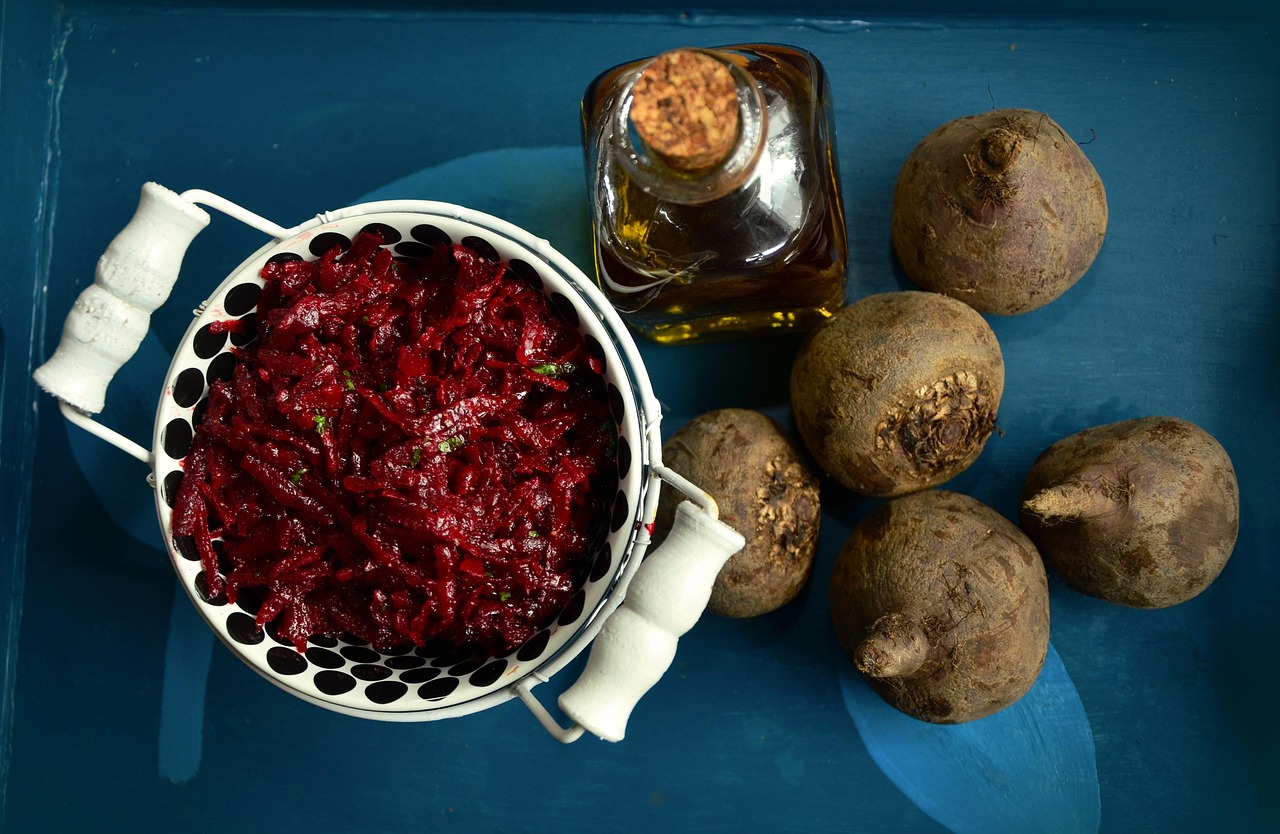
In recent years, beetroot has returned to the spotlight. Not only because of its vibrant color and distinctive flavor, but also because its nutrient content and physiological effects make it a valuable component of a balanced diet. It goes far beyond its traditional role as a pickled side dish: it works just as well fresh, roasted, in smoothies, or even as a cream soup.
Blood Pressure and the Vascular System – What Can Nitrate Do?
One of beetroot’s most important components is naturally occurring nitrate. In the body, it is converted into nitric oxide, which can improve circulation by relaxing the blood vessels. As a result, it may contribute to lowering blood pressure and supporting optimal cardiovascular function. Research suggests that regular beetroot consumption can have a measurable effect on blood pressure levels, especially in cases of mildly elevated values. However, it is important to emphasize that it does not replace medical treatment; rather, it can support the body as part of a healthy diet.
Immune System and Cellular Protection – The Role of Antioxidants
Beetroot contains B vitamins, vitamin C, potassium, iron, and a significant amount of dietary fiber. It is also rich in antioxidant compounds, including betanin, which gives it its characteristic deep burgundy color.
Antioxidants help protect cells against oxidative stress. This not only supports the immune system but may also contribute to the body’s regenerative processes in the long term. Its fiber content aids digestive health, which is indirectly one of the foundations of immune defense.
In the Kitchen: Versatile and Easy to Prepare
Beetroot fits well into a modern, health-conscious diet. It can be eaten raw in salads, roasted as a side dish, prepared as a cream soup, or consumed as freshly pressed juice. During cooking, a significant portion of its nutrients is retained, making it a valuable ingredient in a variety of forms.
Recipe: Roasted Beetroot Salad with Feta and Walnuts
Ingredients (serves 4):
-
3–4 medium beetroots
-
100 g feta cheese
-
1 handful of toasted walnuts
-
1 tablespoon olive oil
-
1 teaspoon balsamic vinegar
-
Salt and freshly ground black pepper
-
A small handful of arugula (optional)
Preparation:
-
Wash the beetroots thoroughly, wrap them in foil, and roast at 180°C (350°F) for about 45–60 minutes until tender.
-
Once cooled, peel and dice them.
-
Toss with olive oil, balsamic vinegar, salt, and pepper.
-
Add the crumbled feta and roughly chopped toasted walnuts.
-
Serve with fresh arugula.
This salad offers fiber, healthy fats, and valuable micronutrients. It works well as a light dinner or as a side dish for meat-based meals.
Article in Hungarian.