




The rich traditions, flavors, and sounds of Korea filled the Kölcsey Center last weekend, as the city hosted the Korean Cultural Day for the fifth time. The event, which has quickly become a favorite among locals, offered a colorful journey through music, dance, food, and calligraphy — proving once again that the Far East has a special place in Debrecen’s cultural life.
A full house and a festive opening
This year’s event drew a full house to the Kölcsey Center’s main hall, where guests were welcomed by Dr. Péter Szaffkó, Managing Director of the Debrecen Summer University and head of the King Sejong Institute, and Dr. István Puskás, Deputy Mayor for Culture of Debrecen.
In their opening remarks, both speakers highlighted the growing ties between Debrecen and Korean culture. Dr. Szaffkó noted that the institute had truly “entered the heart of Debrecen,” while Dr. Puskás drew a poetic connection between the two nations — linking the creation of the Korean alphabet, Hangul, with Hungary’s own literary traditions tied to the city’s native poet, Ferenc Kölcsey, author of the national anthem.
Tradition and rhythm on stage
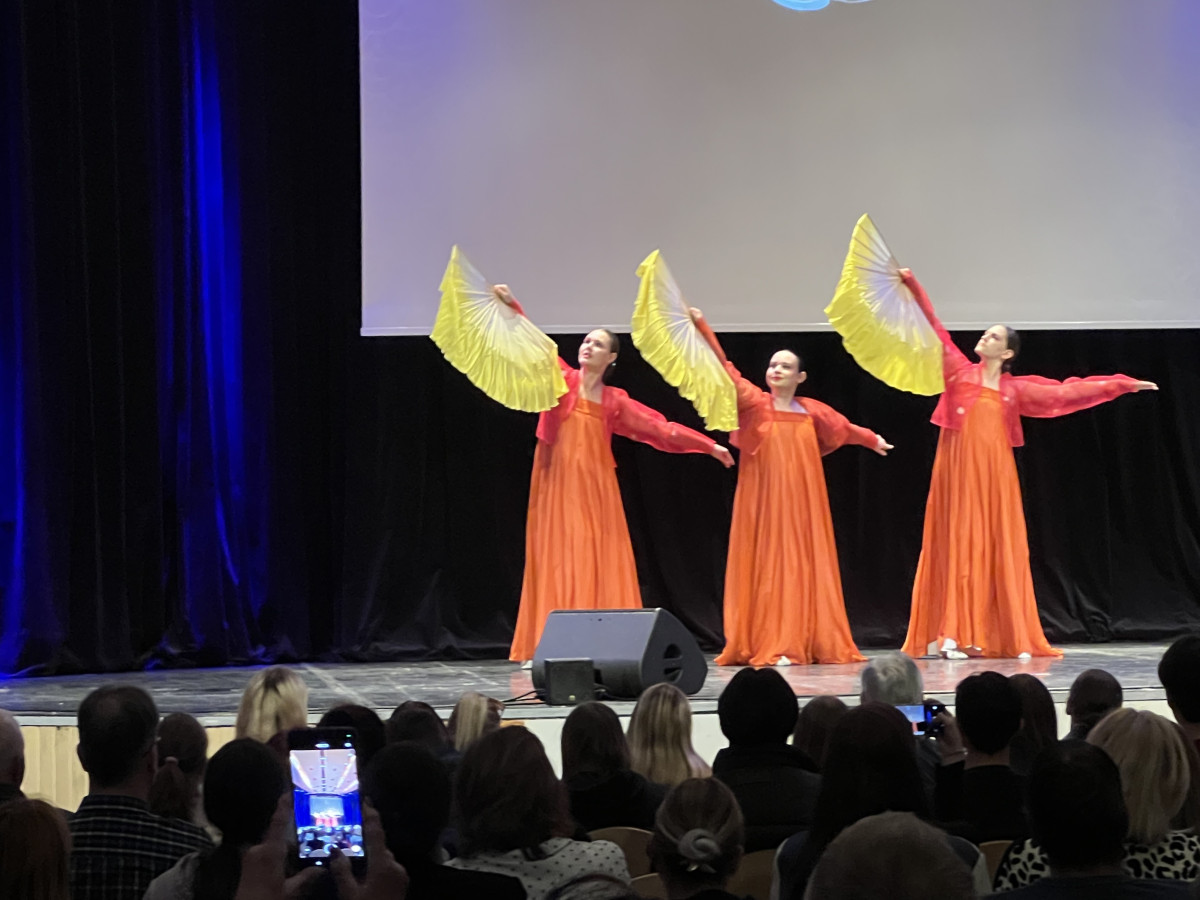
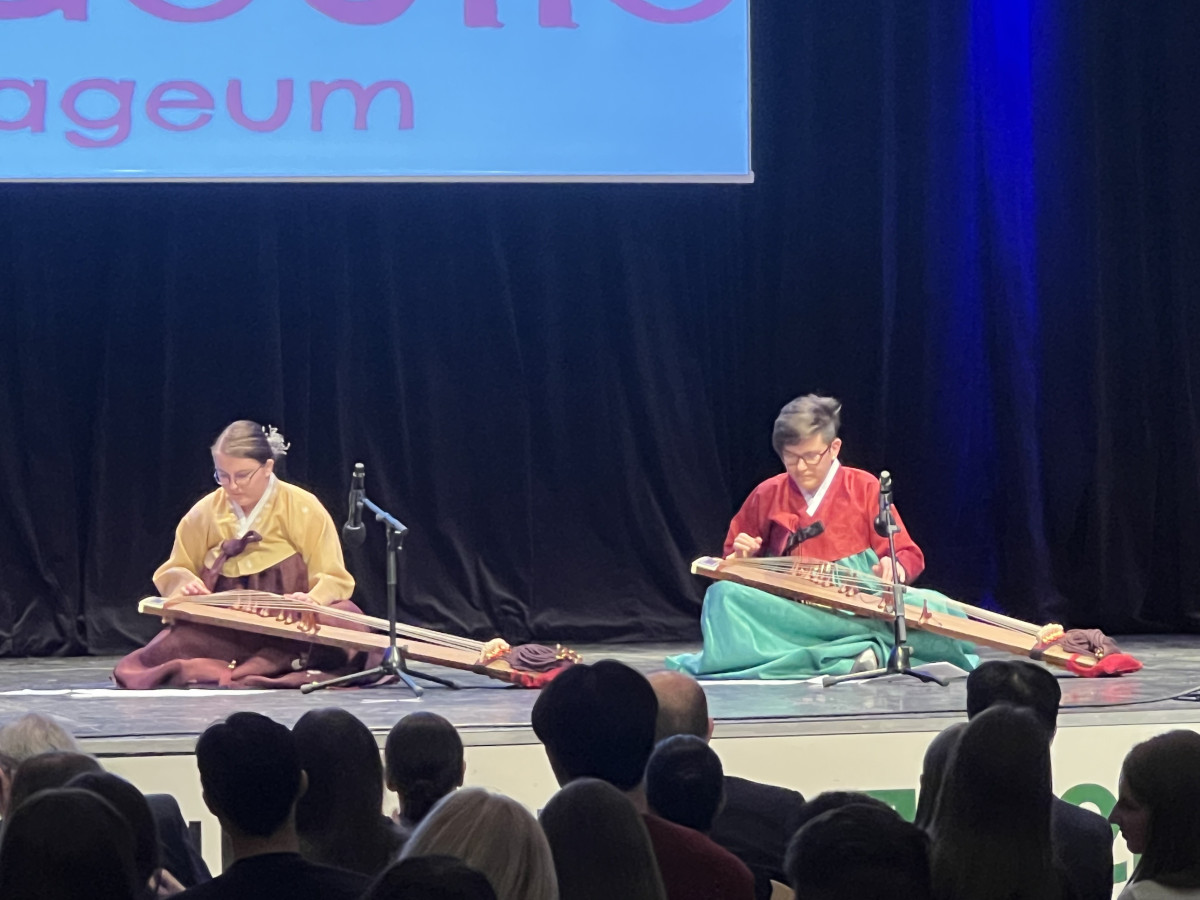
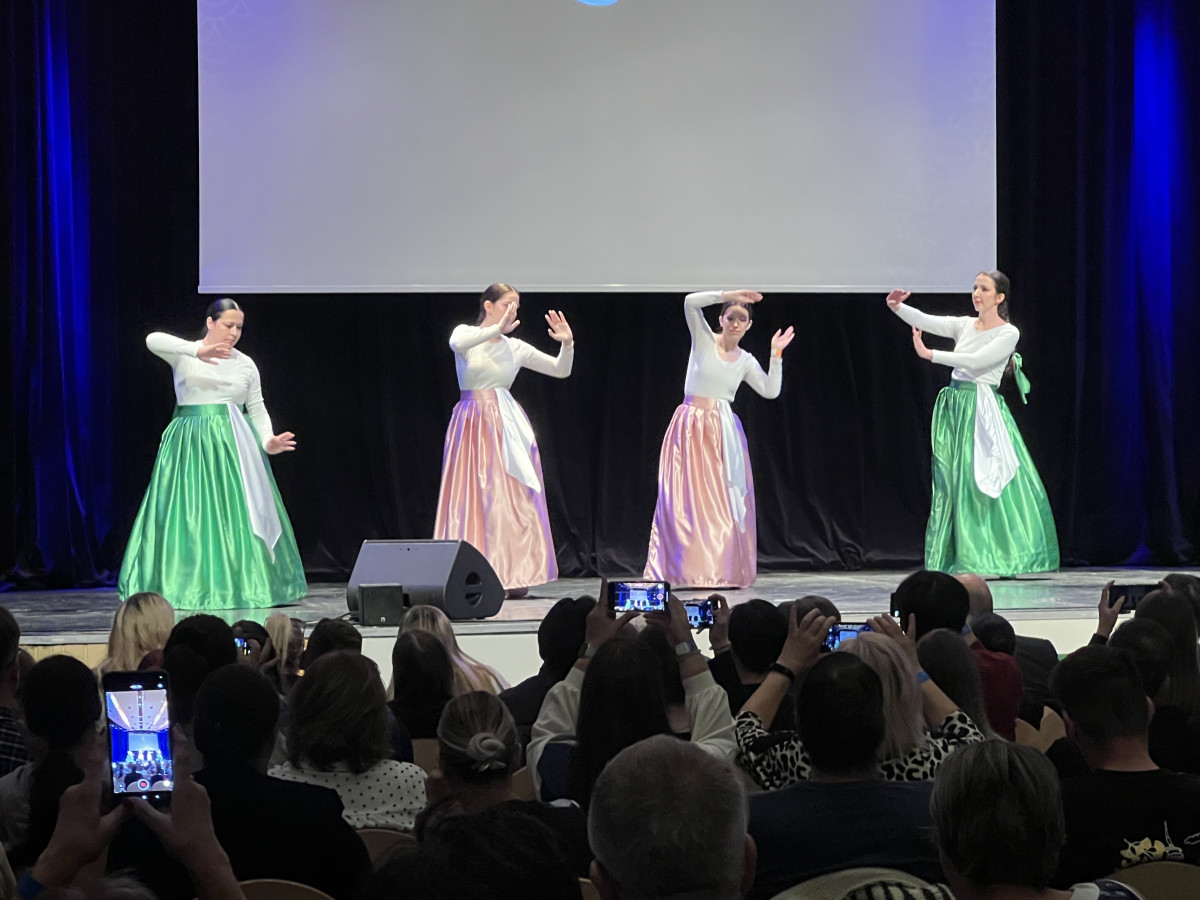
The audience was soon treated to a series of captivating performances. The Mindeulle ensemble (meaning dandelion in Korean) performed on the ancient string instrument gayageum and presented two traditional dances — the elegant fan dance and the salpuri, a ritualistic dance of purification and release.
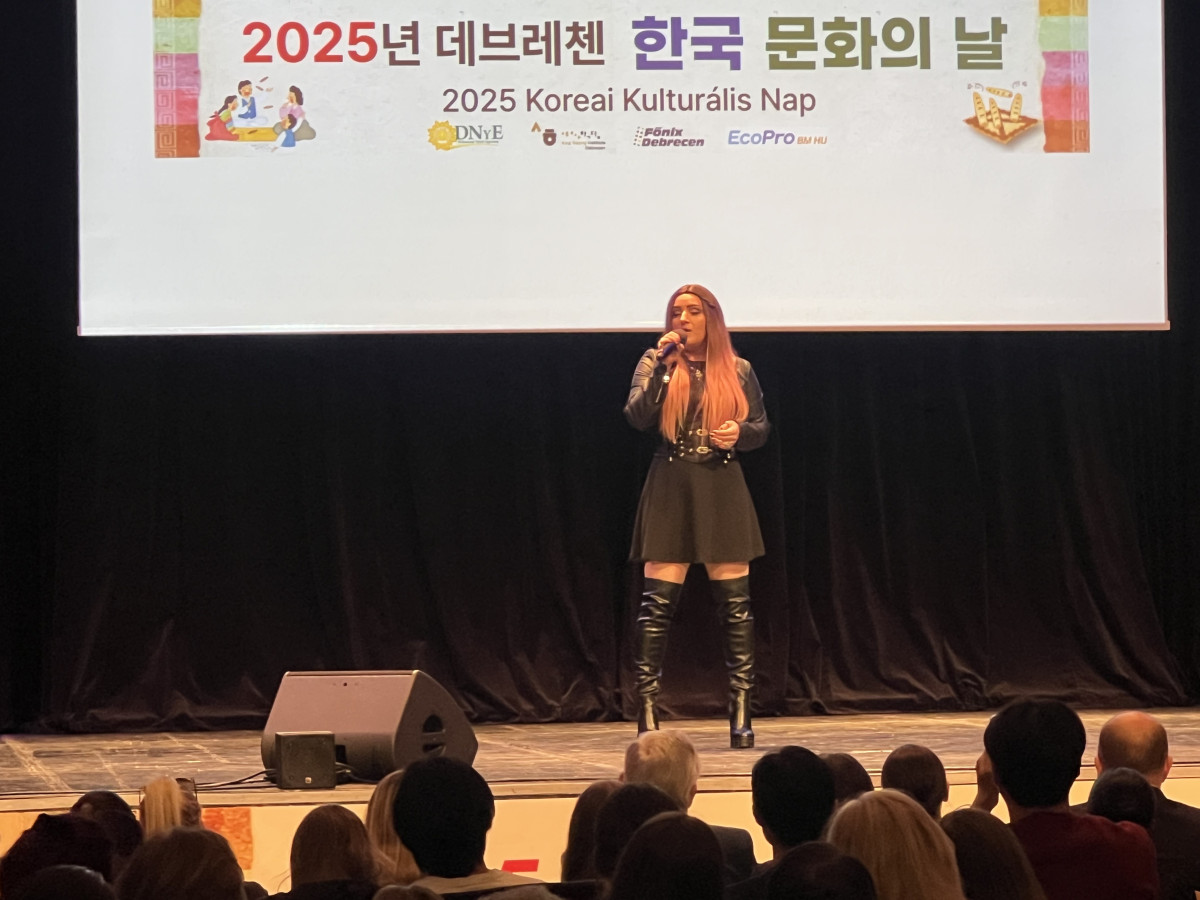
Hungarian singer Andrea Szakos also took the stage, performing two Asian songs that earned enthusiastic applause from the crowd.
Hands-on cultural experiences
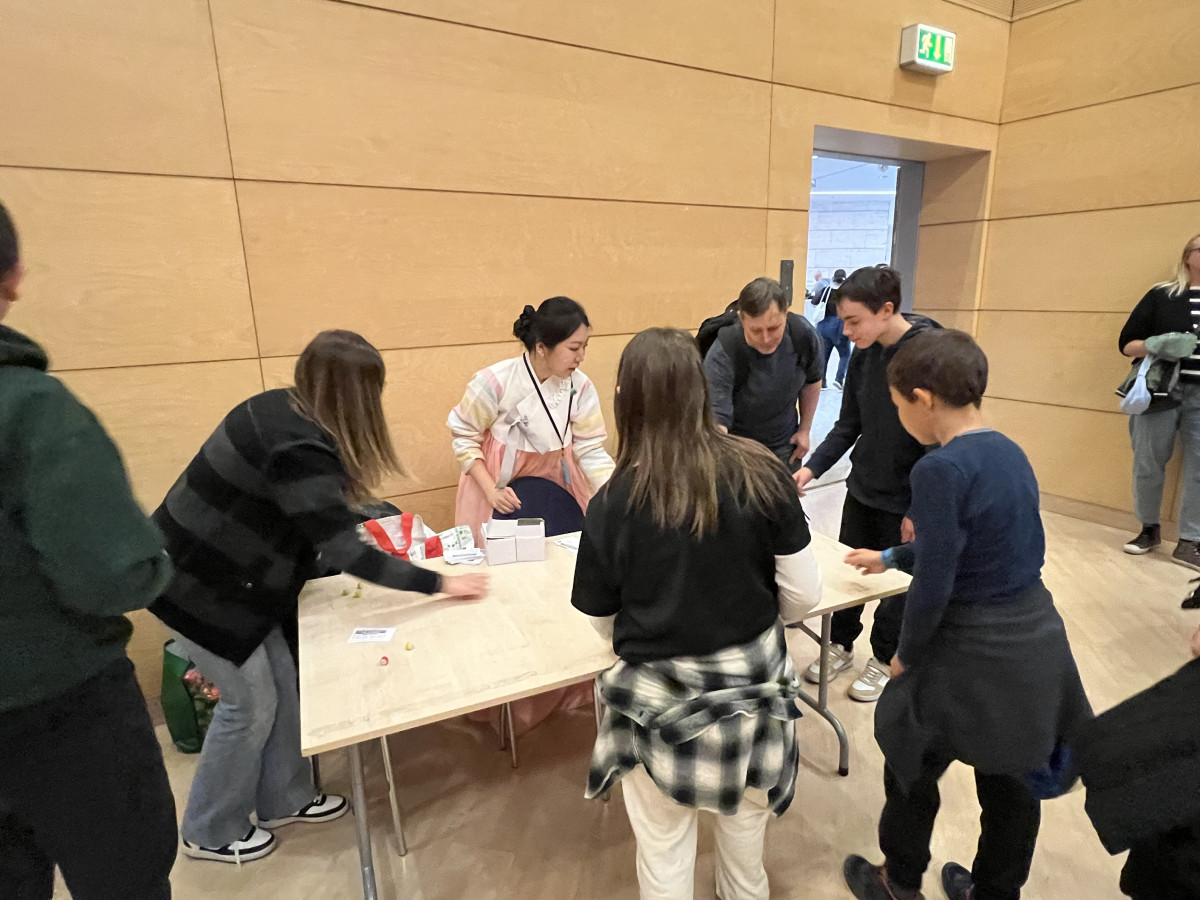
Beyond the stage, visitors could dive into interactive workshops. Korean folk games such as gonggi — a stone-tossing challenge — and jegichagi, similar to hacky sack, delighted both children and adults.
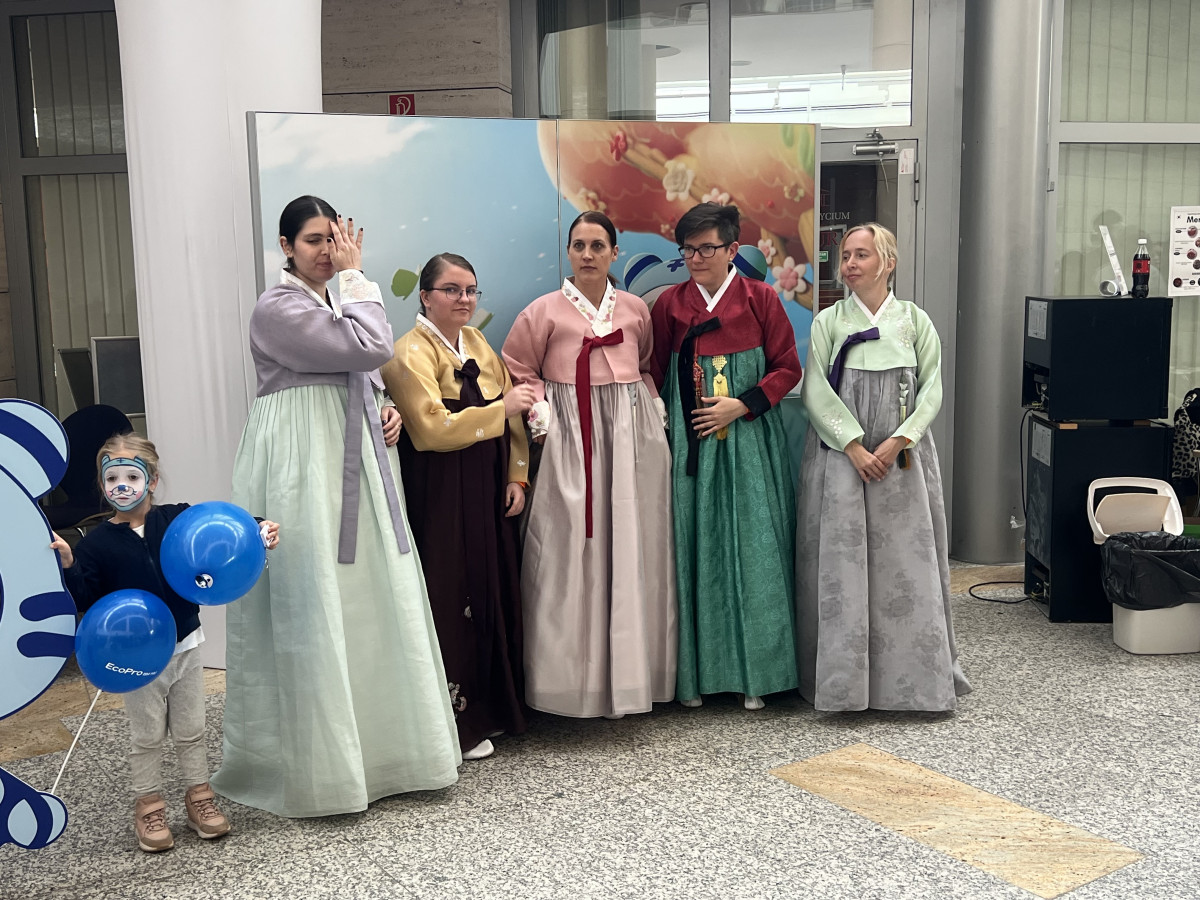
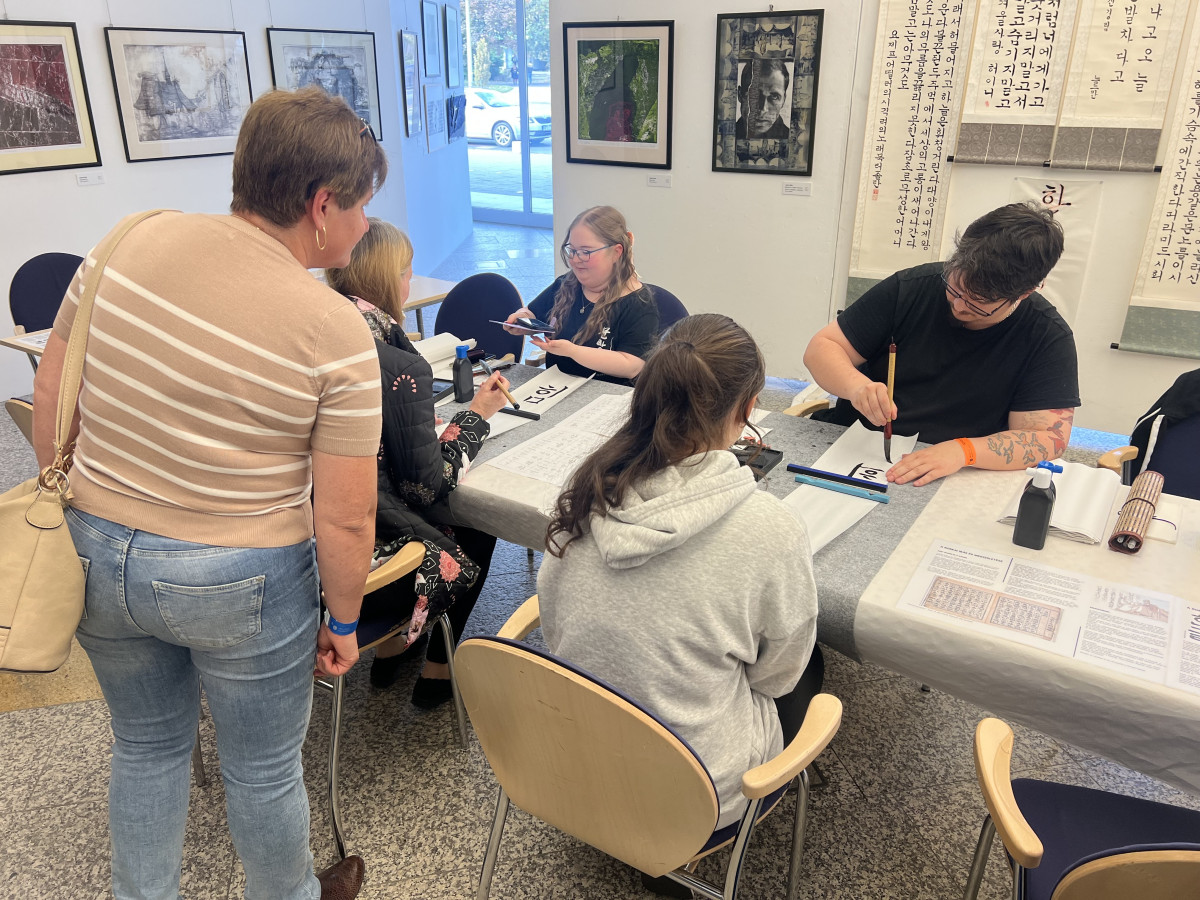
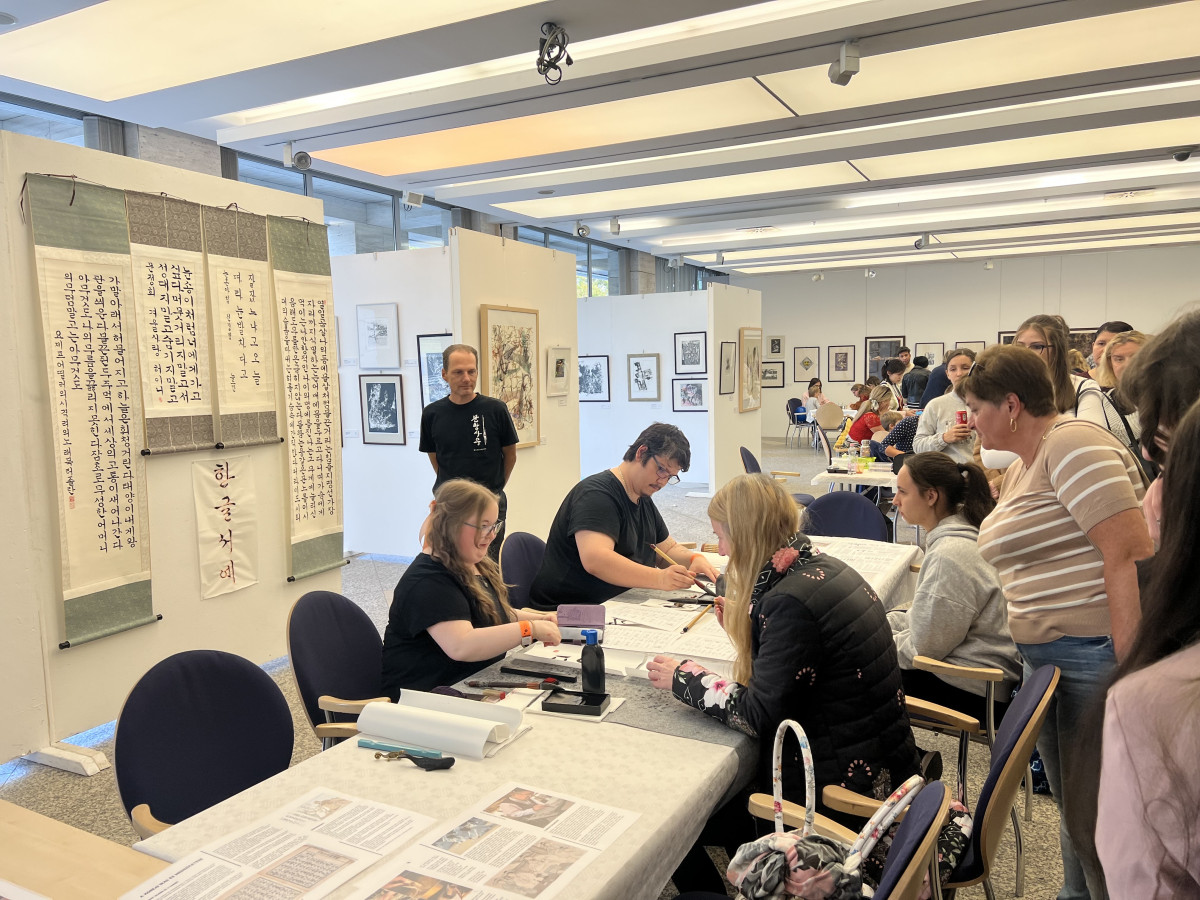
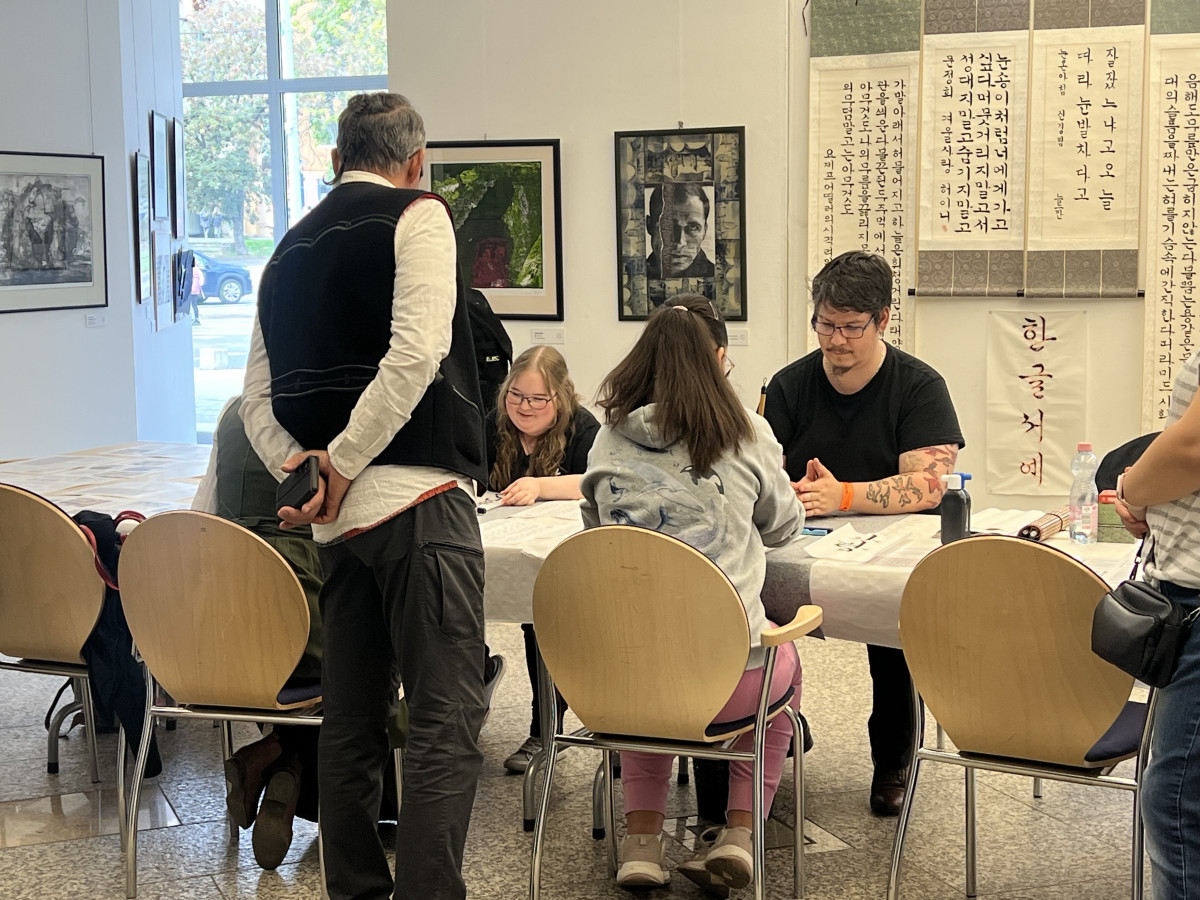
In the Bényi Gallery, long lines formed at the calligraphy table, where guests could learn how to paint Korean characters with a traditional brush. The hanbok corner, offering the chance to try on Korea’s colorful national dress, was another crowd favorite.
A taste of Korea
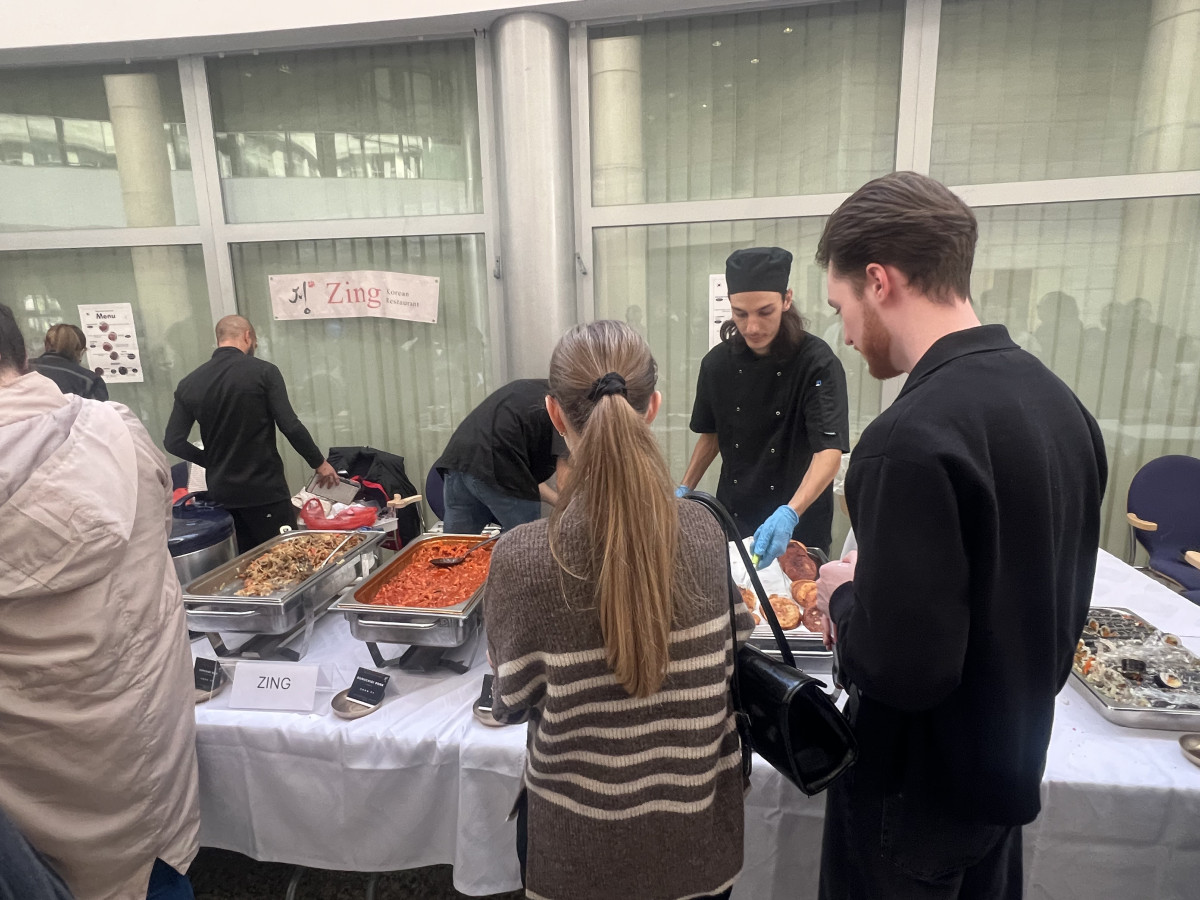
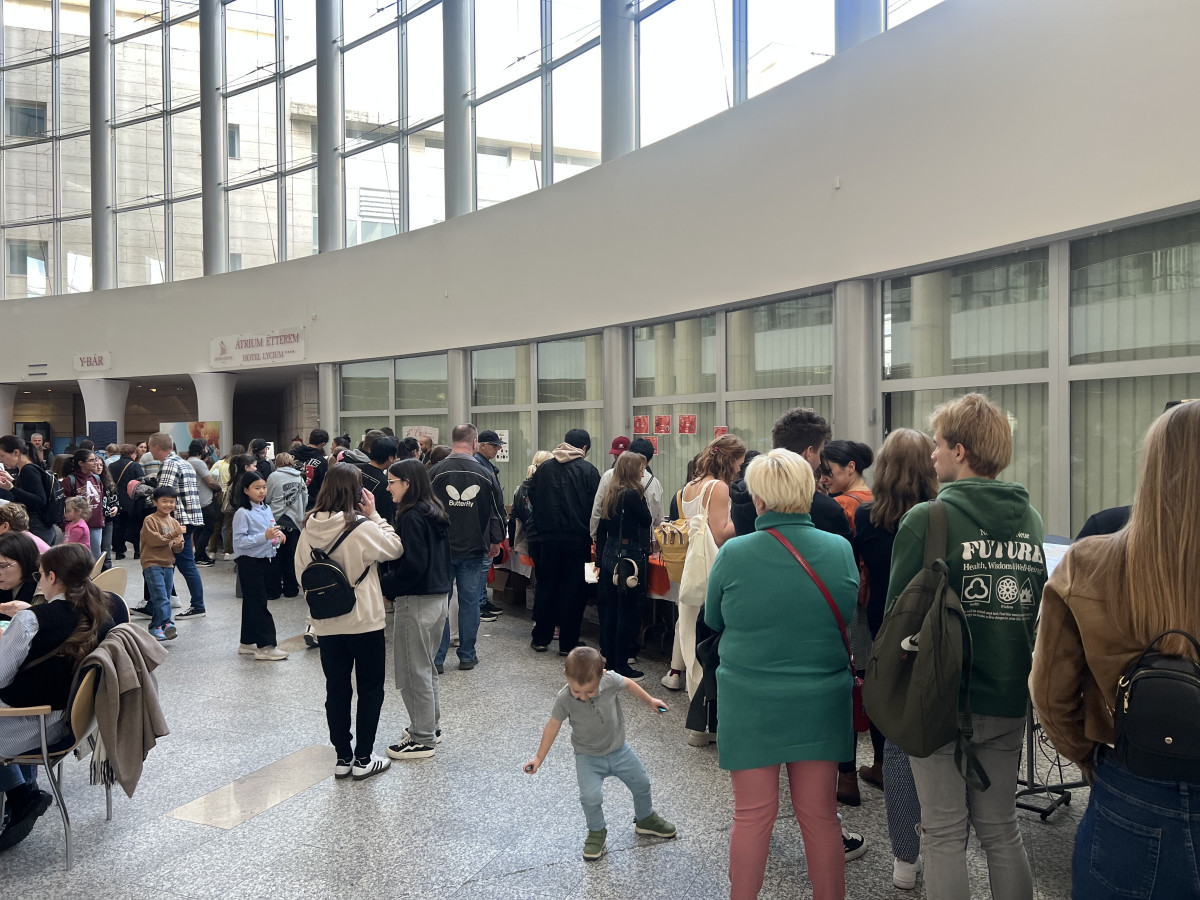
No cultural celebration would be complete without food, and Korean cuisine once again proved irresistible. Three local restaurants served a range of authentic dishes — from mandu (dumplings served with soy sauce and salad) to mochi, the popular rice cake dessert filled with sweet red bean paste. Visitors could also sample coconut drinks and other specialties for affordable prices.