





Debrecen’s bus fleet is steadily being modernized, the full renovation of Tram Line 1 is on the agenda, and a feasibility study for a potential Line 3 is also in preparation. Tóth Szabolcs, CEO of DKV Zrt., spoke to Debreceni Nap about the plans, airport services, and the impact of the new county and national travel passes.
New Buses Enter Service
Ten new single (solo) buses have arrived and entered service on Sunday, replacing older Volvo vehicles.
Since DKV operates mixed rotations, the new buses will not run on just one line but will appear across almost the entire city.
Currently, the company’s longest route is Line 37 toward Haláp. Tóth Szabolcs noted that DKV provides services within Debrecen’s administrative boundaries, and Haláp is the farthest point from the city center within that area.
Debrecen introduces 10 new modern Mercedes-Benz buses to its fleet
Renovation of Tram Line 1
While the bus fleet is being renewed year by year, upgrading bus stops is more complex, as they are owned by the municipality and only used by DKV.
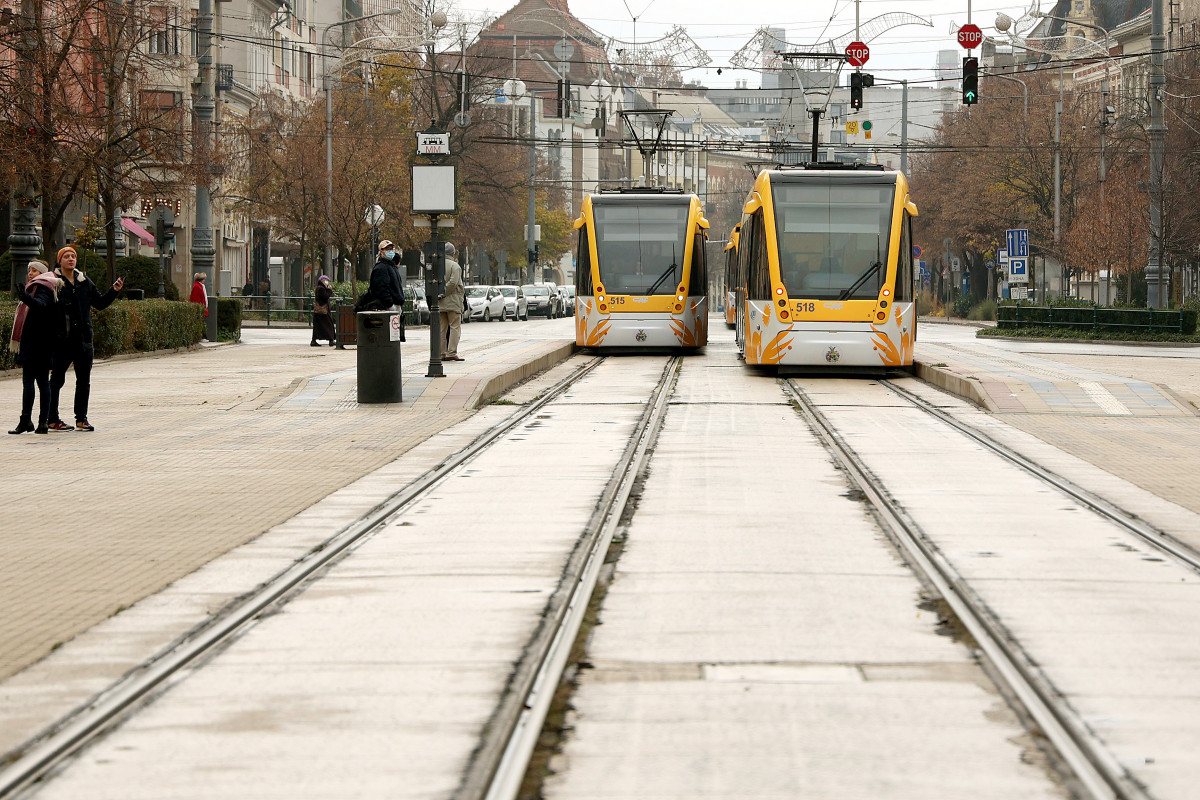
However, major developments are expected for tram stops: Tram Line 1 is set for full reconstruction, which could be completed within four to five years. The project will include making stops accessible and replacing the passenger information system.
What About Tram Line 3 — and Will There Be a Line 4?
The next step for the previously mentioned Tram Line 3 is the preparation of a feasibility study, financed through grant funding. This study will determine the exact route and form in which the new line could be built.
As for Tram Line 4, it remains a long-term plan, but the CEO believes it may be necessary. He sees a justified need to improve connections between the eastern and southern districts and the city center, especially toward the southern industrial park.
Regarding service to Debreceni Nemzetközi Repülőtér, Tóth Szabolcs said that DKV already operates Airport routes. Increased frequency will depend on air traffic: if more flights arrive and depart, public transport will adapt accordingly.
Intermodal Hub
The regional bus station is not managed by DKV; it is used by intercity services. However, the CEO believes establishing an intermodal hub would be justified.
Such a development would provide a modern, higher-capacity terminal not only for regional buses but also facilitate smoother transfers between rail, regional, and local transport. The Petőfi Square area is an important departure point for DKV as well, so the development would also affect city transport.
60% Drop in DKV Pass Sales
The introduction of the county and national passes has significantly affected the company’s revenues. According to Tóth Szabolcs, this was expected: the number of DKV passes sold has decreased by about 60 percent.
Students switched in the largest numbers to the cheaper options. The monthly county and national pass, costing 1,890 forints, allows travel between Debrecen and even Budapest, not only by train but also on regional and local services.
Experience shows the shift was roughly evenly split: about 50 percent chose the county pass, while the rest opted for the national pass.
Which DKV Pass Remains Competitive?
According to the CEO, the standard DKV pass remains popular because its price is lower than that of the national pass. As a result, it is still purchased in significant numbers.
In the coming years, public transport in Debrecen will focus simultaneously on vehicle replacement, tram development plans, and adapting to the changed season-ticket market environment.