







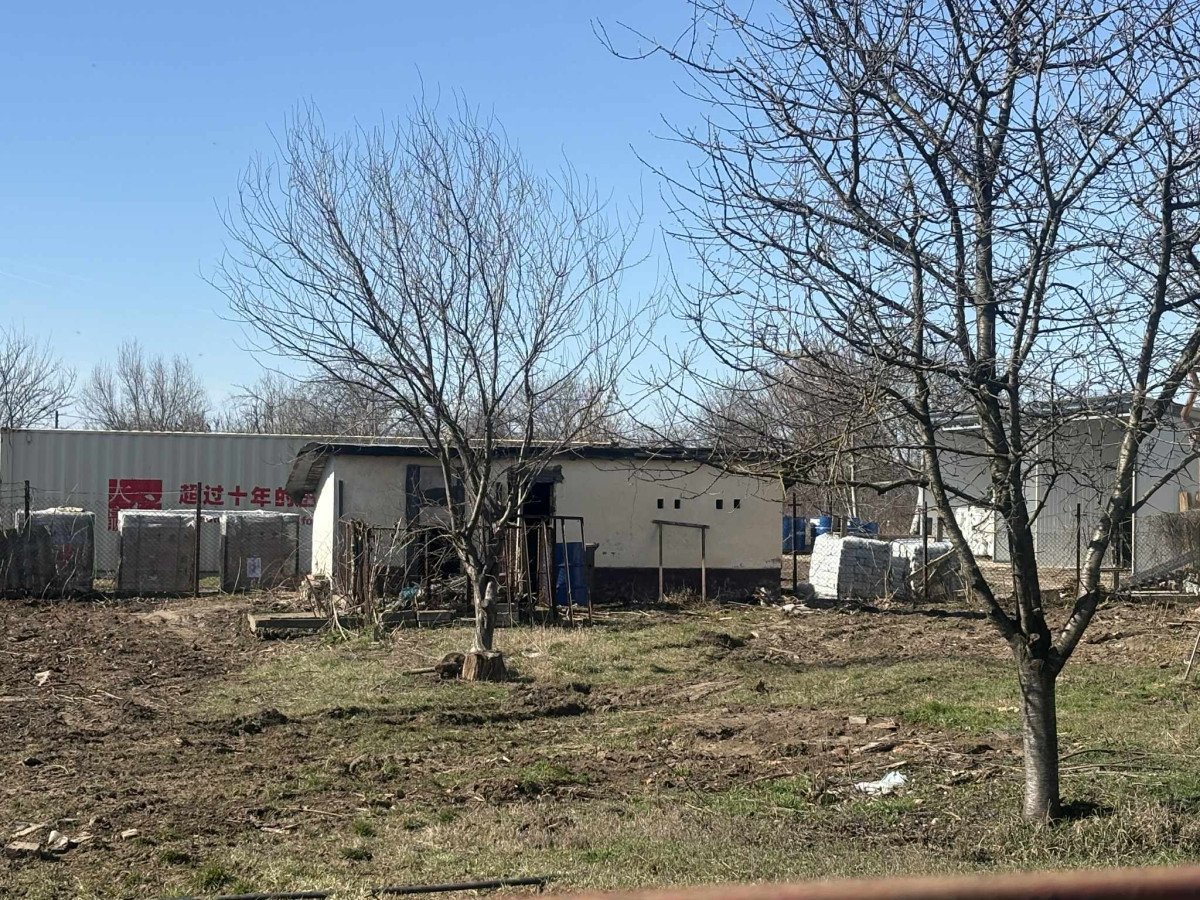
Several tons of toxic chemicals may be stored at the CATL battery factory in Debrecen on a site that has not yet been handed over and is officially still under construction, claims Zsolt Tárkányi, the Tisza Party’s parliamentary candidate for Debrecen, on his social media page. He writes that he received the first photos and videos back in early February from Debrecen residents working at the plant, who also criticized the authorities for inaction.
Tárkányi recalled a previous statement from a worker named Edina, who allegedly refused to let a poisoning incident at the company be covered up. According to the politician, the matter was initially denied but later confirmed.
Based on employees’ accounts, the accident occurred in an area that had not yet been officially handed over, yet production was already taking place there.
“Regarding the accident on February 13, I would like to add that the ML03 rework room mentioned in the report is in an area still under construction and not officially handed over, where continuous production has been ongoing at most since early January. Safety rooms and first-aid stations had not yet been completed for use. To the best of my knowledge, neither the production area nor the warehouses should have been used until they were officially approved in accordance with fire safety regulations. Nevertheless, hazardous materials have long been stored in the warehouse in boxes on pallets, in drums, and in metal cages.”
According to Tárkányi, after the poisoning incident became public, activity at the factory suddenly increased. Some reports claim that production on the ML03 line was halted, and Hungarian and Filipino workers were redirected to other areas in anticipation of inspections.
“After the news broke, production on the ML03 line mentioned above ceased overnight, and the Hungarian and Filipino workers previously there were sent back to the Inpark area due to expected inspections. The hazardous materials stored in the warehouse were hastily loaded onto trucks by the Chinese staff and sent to the Ghibli warehouse on Jedlik Ányos Street. Naturally, it was impossible to transport all the materials, so the remainder was stored in tents next to the warehouse, disguised with so-called pink foam waste so that it would not be noticeable what was inside.”
The Tisza Party’s Debrecen candidate also raised the question of what materials and why 24 tons were transported to Biatorbágy, referring to a similar shipment that occurred during inspections of the Göd battery factory.
Zsolt Tárkányi stated that under a potential Tisza government, stricter inspections and heavy penalties would apply to factories that do not comply with hazardous material storage regulations.
Response from the Debrecen Municipality
Zsolt Tárkányi posts weekly updates about the CATL plant under construction in Debrecen as part of his election campaign. The city government responded that under a Tisza government, factories would not be allowed to commit violations, and serious penalties—even closure—could be imposed on those not following the rules. Currently, they claim, nothing is different in Debrecen.
They stated that there has long been an “attack against authorities” concerning industrial plants under construction in Debrecen, particularly battery factories. Nevertheless, local authorities act fully in accordance with the law.
Regarding the latest workplace accident at CATL, the municipality said it requested the government office to initiate official proceedings.
“To our knowledge, several official proceedings are currently underway regarding the CATL plant under construction. Let us be clear: these proceedings were not initiated based on Zsolt Tárkányi’s announcements. The authorities are performing their duties as required by law!”
The municipality added that, in cooperation with the authorities, they are interested in ensuring that industrial facilities operate safely, comply with all laws, and provide safe employment and livelihoods for workers.
“Everyone must follow the rules! Debrecen municipality expects CATL to act in a lawful manner. Any manufacturing activity may only be carried out with official permits. If they do not comply, the most severe consequences can be expected.”
Photo: Facebook/Zsolt Tárkányi