






The first major heatwave of the year is on its way, and a Level 2 heat alert will come into force from Saturday, according to a statement issued Friday morning by Hungary’s National Center for Public Health and Pharmacy (NNGYK) and the National Directorate General for Disaster Management.
According to the statement, the Chief Medical Officer has ordered a second-level heat alert for the entire country from Saturday until midnight on Tuesday, based on forecasts from HungaroMet, Hungary’s national meteorological service.
The authorities emphasized that the sudden rise in temperatures can place significant strain on the body, making it important to prepare for the heatwave in advance and pay special attention to elderly relatives as well as our own health.
Staying hydrated is particularly important during extreme heat, as the body loses water and minerals more rapidly. People are advised to drink water or sugar-free beverages whenever possible and avoid excessive consumption of coffee, alcohol, highly caffeinated and sugary soft drinks, as well as fatty foods.
To prevent heat-related illnesses, people should avoid direct sunlight during the hottest part of the day—typically between 11 a.m. and 4 p.m.—and refrain from strenuous physical activities.
Strong sunlight can cause sunstroke and, in more severe cases, heat exhaustion or heatstroke. Symptoms may include headache, nausea, dizziness, fever, and confusion. Anyone experiencing these symptoms should immediately move to a cool, shaded place, cool their head, drink fluids, and seek emergency medical assistance if necessary.
The authorities recommend wearing light-colored, loose-fitting clothing, UV-protective sunglasses, high-factor sunscreen, and lip balm with sun protection.
For children and young people, the use of sunscreen with at least SPF 30 and both UVA and UVB protection is recommended. People are also encouraged to stay in the shade and ensure that homes are properly shaded and ventilated.
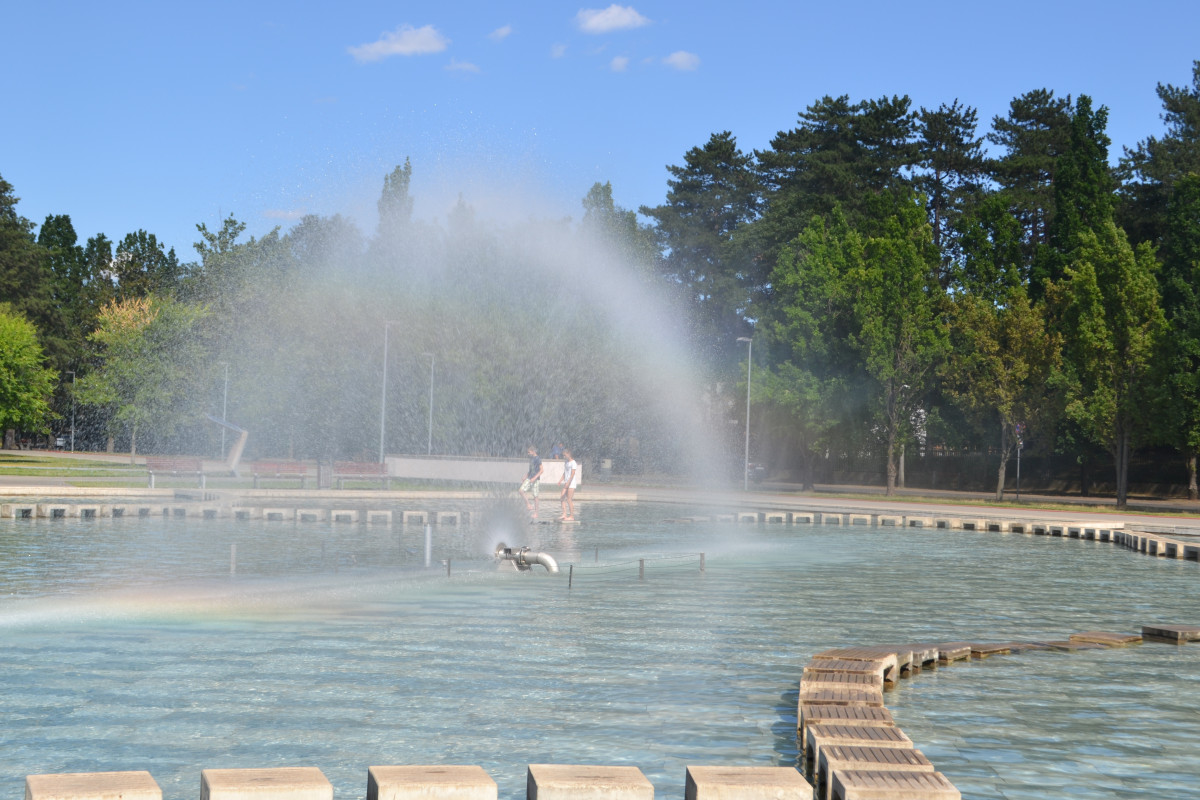
Officials stressed that swimmers should never jump into water when overheated. Instead, they should cool down gradually before entering. Water from public fountains is not suitable for cooling off; misting stations should be used instead, or people can cool themselves by applying water to their wrists or the back of their necks.
The statement noted that even healthy individuals can be affected by sudden heat, while older adults, young children, and people with cardiovascular diseases may be particularly vulnerable. Extra attention should therefore be paid to these groups.
People are encouraged to call or visit elderly relatives and acquaintances who live alone every day to ensure they are drinking enough fluids and are able to keep their homes cool.
The year’s first heatwave may be especially challenging because people’s bodies have not yet adapted to prolonged high temperatures. Careful preparation and adherence to safety recommendations can help make the hot weather more manageable.
Authorities also highlighted that the interior temperature of a car parked in the sun—or even in partial shade—can exceed 70°C (158°F), creating life-threatening conditions. Children, elderly people, and pets should never be left in a parked vehicle, even for a single minute. Anyone who sees a child or animal left in a vehicle under direct sunlight should immediately call the emergency number 112.
A fire ban is currently in effect in several counties, applying to forests and areas within 200 meters of them. In locations where a fire ban is in place, lighting fires is prohibited even at designated fire pits in or near forests.
A map showing areas under fire restrictions is available on the disaster management authority’s website. Grilling and cooking outdoors in private gardens remain permitted, but fires must never be left unattended.
The number of carbon monoxide-related emergency callouts rises sharply during heatwaves. High temperatures can reduce chimney draft, increasing the risk of carbon monoxide accumulation around open-flue water heaters.
Last year, heat alerts were in effect for a total of 27 days. During that period, firefighters responded to 121 carbon monoxide incidents. The highest number of alerts was recorded on June 26, when a third-level heat alert was in force and firefighters received 27 carbon monoxide-related callouts.
A list of air-conditioned public facilities available for anyone to use can be found on the disaster management authority’s website.
Real-time information on current heat alerts and other hazard warnings is available through the disaster management authority’s VÉSZ mobile application. Authorities recommend downloading the app to stay informed and better prepared for extreme weather conditions.