






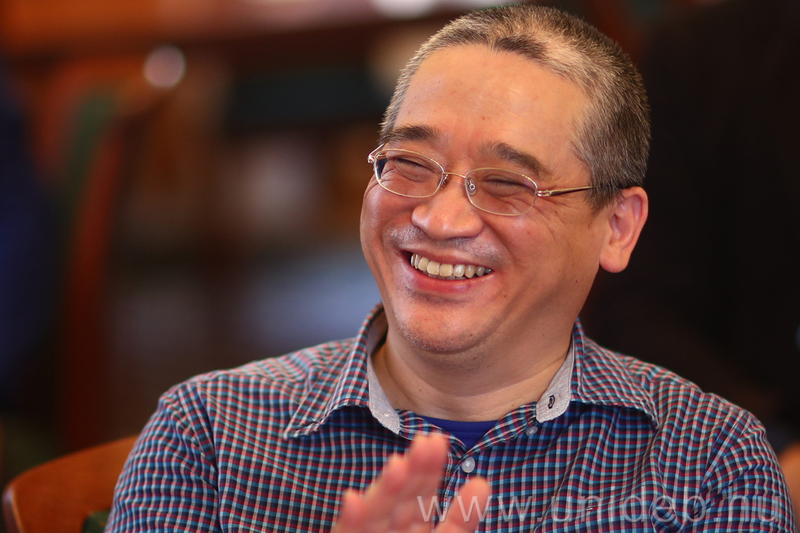
The Chinese director of the Confucius Institute at the Faculty of Humanities of the University of Debrecen has received a prestigious recognition. In 2025, the leadership of Tianjin Foreign Studies University honored Cui Xianjun as the “Best Chinese Director of the Year” among the leaders of the seven institutes they operate.
Thanks to the cultural and educational cooperation between the University of Debrecen (DE) and its Chinese partner institution, the Confucius Institute at DE’s Faculty of Humanities (BTK) was established in autumn 2019, with Cui Xianjun serving as its founding Chinese director.
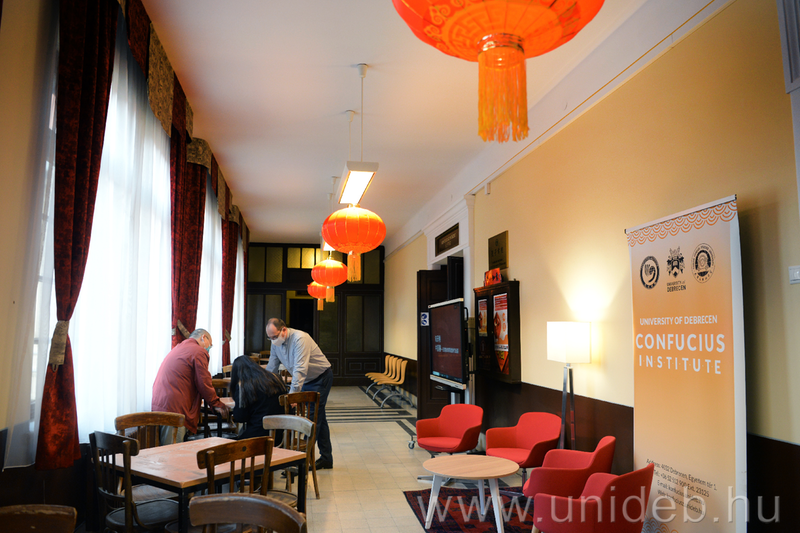
There are now more than 500 Confucius Institutes worldwide, with the Debrecen institute being the fifth in Hungary. Its main activities include teaching the Chinese language, promoting Chinese culture, and organizing events, lectures, film screenings, and celebrations of various holidays for students, faculty, and the local community alike.
Cui Xianjun’s academic and personal connections have shaped his international experience. In 2002, he studied Italian in Italy and learned about European culture. Before arriving in Debrecen, he completed Chinese director training at Kunming Yunnan Normal University, where he also received information about Hungary and Hungarian culture.
“It was very meaningful for me that during one of my European assignments, my roommate was a young Hungarian, so I could gain first-hand experience and learn some basic traditions before arriving here. However, I had never been to Hungary before, so due to cultural differences, I prepared some research materials to help overcome them. Additionally, at Tianjin Foreign Studies University (TFSU), which offers 36 foreign language programs and cooperates with around 200 international institutions, language teaching is a priority, and I have even had Hungarian students there,” recalled the director.
At the University of Debrecen, his primary responsibility was to launch the institute and organize its educational programs.
“I did not have a clear picture of how much interest there would be in Chinese language and culture or how many students to expect. Perhaps the greatest challenge was not worrying too much about the university’s expectations, as at that time there were only two Chinese instructors at the institute. For integration and overcoming the initial difficulties, I received full support from the faculty leadership. The Chinese embassy and its staff also continuously assisted me. Moreover, the later-arriving Chinese teachers, local Chinese businesspeople, and the Debrecen Chinese Students Association played key roles. I tried to meet the challenges and expectations with heartfelt commitment, and one of my main supports was my wife,” Cui Xianjun told hirek.unideb.hu.
The results of these efforts are evident after more than seven years. Today, the institute’s courses are integrated into the university’s credit system, a regulatory framework supporting its operation has been established, and both educational and cultural activities meet the expectations of the university and the city. Student interest is outstanding, cultural course enrollment has reached capacity, and the next goal is to expand the number of language learners.
“We are a wonderful bridge between Hungary and China, and between Debrecen and Tianjin, which has led to the establishment of a sister city relationship. In addition to teaching and cultural exchange, scientific activity is also a priority. Over seven years, we have organized seven conferences in Gyomaendrőd and one national professional meeting in Mád for Confucius Institutes operating in Hungary,” the director emphasized.
Regarding future plans, Cui Xianjun highlighted that cooperation between the University of Debrecen and Tianjin Foreign Studies University is expected to expand further this year.
(unideb.hu)