




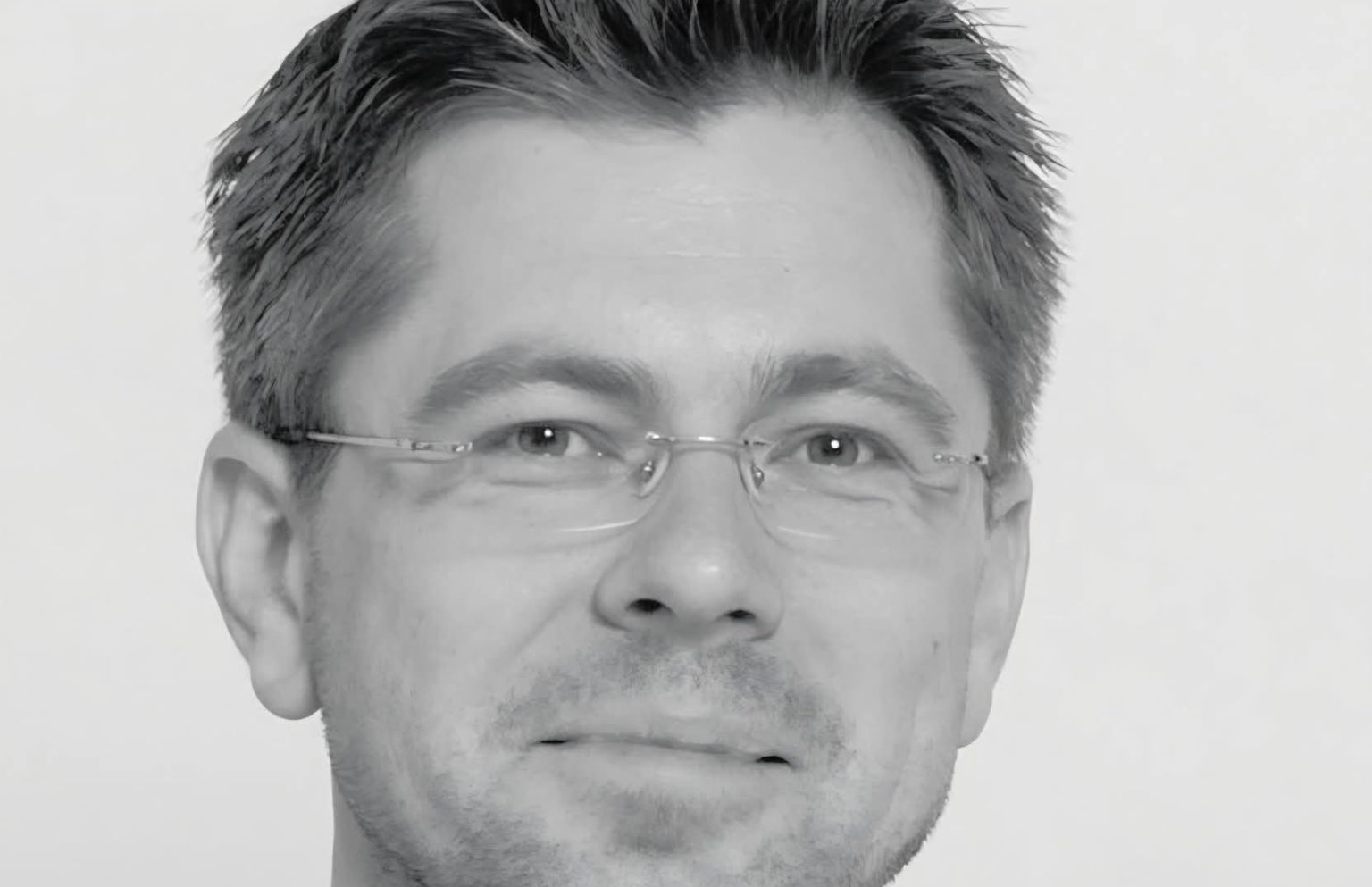
Dr. Ferenc Máté Bodrogi, associate professor at the Institute of Hungarian Literature and Cultural Studies at the University of Debrecen, passed away at the age of 46.
Bodrogi began distinguishing himself early in his academic career. In 2005, as a fourth-year Hungarian studies student at the University of Debrecen, he published two papers at the National Student Scientific Conference (OTDK): one on Antal Szerb’s Journey by Moonlight in Alföld, and another on Dániel Berzsenyi’s Poetical Harmonistics and contemporary aesthetic discourses in Studia Litteraria. He developed both papers from his student research projects. The classical Hungarian literature research group he joined, which met weekly and brought together interested students, doctoral researchers, and instructors, was especially pleased when he chose to focus on Hungarian Enlightenment literature upon beginning his doctoral studies in 2006.
His career was exemplary—not only in the sense that he steadily advanced through academic and teaching positions, but primarily because of his exceptional insight and initiative. He consistently launched innovative projects, some addressing gaps felt by his generation, others crucial for renewing specific scholarly fields. Among these were contributions that deserve special recognition, as they illustrate his remarkable originality.
From 2003 for six years, he was the founding editor-in-chief of Szkholion, an art and scholarly journal of the University of Debrecen’s Faculty of Arts that provided a vital publication platform for undergraduate and doctoral students, young researchers, and creative writers. In 2008, he co-organized the Mozgásban doctoral student conference, which at the time uniquely offered young literary historians and researchers a professional forum. In 2012, he co-founded IROM (National Workshop for Innovation in Literature Teaching), a body that has played a key role in shaping and revitalizing literature education in Hungary through conferences, publications, and professional networking.
Bodrogi also stood out in classical Hungarian literary research. Alongside his work on the Kazinczy critical edition, he examined the self-narratives of the Széphalom master from the perspective of intellectual and aesthetic history, integrating studies on the historical influence of English politeness and gentlemanly traditions. After earning his doctoral degree, he undertook research in the history of the press, including economic-historical investigations during the publication of the Aurora almanac.
From 2009, he was a member of the Classical Hungarian Literary Textology Research Group, and from 2019, part of the Polecolit MTA Lendület Research Group. His habilitation focused on the one-and-a-half-decade history and material of the Aurora, exploring shifts in concepts of homeland and progress, and changing ideas about literature and civilization. He also adapted his editions into electronic critical editions, earning high regard as a textologist.
Starting in 2009 as a research assistant, he began teaching classical Hungarian literature and prose theory courses at the Institute. From the mid-2010s, first as an assistant professor and, since last year, as a habilitated associate professor, he played a key role in teaching literary methodology courses and contributing to related university textbooks. His instruction followed students from their first year through teaching practice.
He was editor of the Institute’s academic journal Studia Litteraria and coordinated the Hungarian studies newsletter Tympanon, supporting students in mastering the genres and processes of academic and cultural journalism. He oversaw student research programs, organized institute and faculty-level competitions, and prepared biannual national conferences. He supervised theses and doctoral research, served as Institute Secretary, participated in research grants, was a Bolyai Fellow, and received prestigious awards including the Alföld Prize and the Martinkó András Prize.
Dr. Katalin Bódi, Deputy Director of the Institute, reflected on his contributions on behalf of the community, noting that Bodrogi’s achievements—including publications, conferences, seminars, and guidance of generations of students—must be recognized in their entirety, as they demonstrate both his professional excellence and his lasting impact on Hungarian literary studies.