







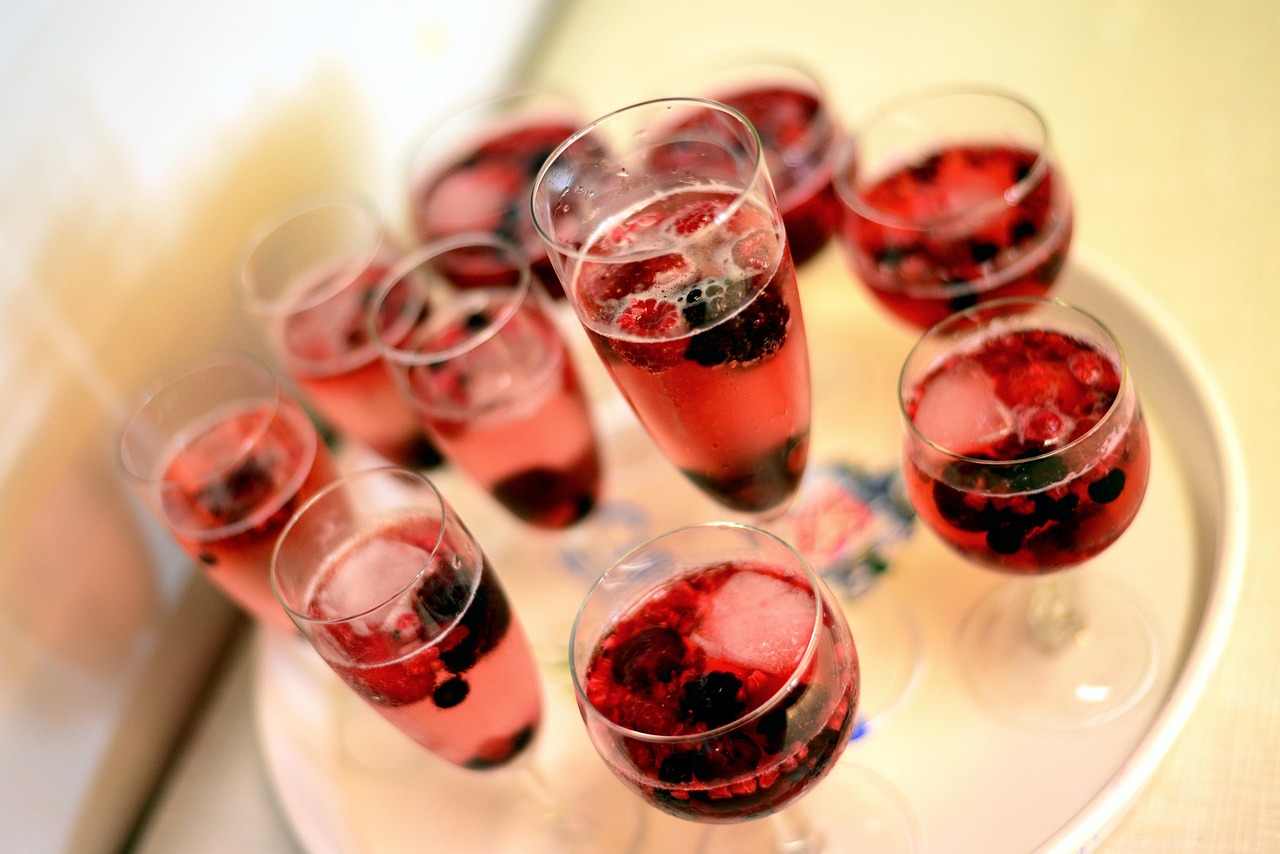
The characteristic sound of opening a bottle of sparkling wine, the rising, effervescent bubbles in the glass, and the fresh, fruity flavors are usually indispensable parts of festive moments. Whether it’s a birthday, a wedding, or a New Year’s toast, sparkling wine is for many the crowning touch of the occasion. That’s why Szupermenta’s year-end test drew attention, examining dry rosé sparkling wines – down to the origin of the bubbles themselves.
Selection of Wines
Szupermenta experts selected 23 rosé sparkling wines from the offerings of major retail chains. Among the tested bottles were 12 brut, 5 extra dry, 4 dry, and 1 each of brut nature and extra brut. Of the 0.75-liter bottles, 12 were domestic and 11 imported, and by production method, 14 were bottle-fermented and 9 tank-fermented.
Bottle or Tank – The Method Matters
In traditional sparkling wine production, the second fermentation and riddling (removal of sediment) occur in the bottle. The sediment is collected on special racks, then removed after freezing the neck of the bottle. To finalize the flavor profile, an expedition liqueur or reserve wine is often added.
In contrast, Charmat-method (tank-fermented) sparkling wines undergo second fermentation and sediment removal in a closed tank before being bottled.
Laboratory Analyses: Quality Behind the Numbers
A key element of the Szupermenta test was detailed laboratory analysis. Experts examined relative density, alcohol content, extract and sugar content, acid composition, carbon dioxide levels, pH, and the C¹³ isotope ratio, which indicates the origin of the bubbles.
Alcohol content ranged between 10.5% and 12.5%, consistent with label claims. Experts found the results satisfactory in all cases. Sugar content testing was also reassuring: every sparkling wine matched the indicated sweetness category, whether brut nature or extra dry.
Tracking the Bubbles
One of the most important features of sparkling wine is naturally produced carbon dioxide from secondary fermentation. If the bubbles do not come from fermentation, the drink cannot be called sparkling wine but only semi-sparkling or fizzy wine.
Szupermenta experts verified the origin of the bubbles using isotope analysis and achieved excellent results: all tested rosé sparkling wines contained natural, endogenous carbon dioxide.
Labels Under Scrutiny
Alongside laboratory tests, labels were also checked. Inspectors examined mandatory labeling, alcohol content indication, and market authorization identifiers issued by the National Food Chain Safety Office (Nébih). Five wines had labeling errors: some lacked geographic indicators, while in others, alcohol content on the Hungarian label did not match actual values. In three cases, QR-code information did not comply with regulations. Affected producers received warnings, and official procedures were initiated.
Popularity Test: Who Made the Podium?
As part of the Szupermenta test, a preference tasting was held, where both expert and non-expert tasters scored the sparkling wines in a blind test, evaluating color, effervescence, aroma, taste, flavor, and overall impression. Bottle-fermented and tank-fermented rosé sparkling wines were ranked separately.
Bottle-Fermented Rosé Podium:
-
Veuve Pelletier Brut Rosé – 15,999 HUF / 0.75 l
-
Veuve Clicquot Brut Rosé – 32,999 HUF / 0.75 l
-
Moët & Chandon Rosé Impérial – 27,999 HUF / 0.75 l
Tank-Fermented Rosé Podium:
-
Törley Selection Rosé Sec – 2,361 HUF / 0.75 l
-
Allini Prosecco Rosé D.O.C. Extra Dry – 2,499 HUF / 0.75 l
-
Tesco Finest D.O.C. Prosecco Rosé Brut – 2,799 HUF / 0.75 l
Source:
Szupermenta – Even the Bubbles Were Examined in the Rosé Sparkling Wine Test