








During flu season, natural remedies that have been trusted for generations become particularly valuable. When upper respiratory infections increase, many people turn to traditional resources that may also support the body’s defense mechanisms. Among these is propolis—the resinous substance that bees have perfected for their own protection and that humans have been using for centuries to support their health.
Propolis is one of the most fascinating yet long-overlooked “invisible heroes” of beekeeping products. Its complex chemical composition not only supports the survival of the bee colony but—when used appropriately—can also support human health. It is a key element of the hive’s internal defense system, long present in folk medicine, and today is the focus of modern phytotherapy and scientific research.
Due to its antimicrobial properties, propolis is often referred to as a natural antibiotic, but its effects are much more complex. As highlighted in the professional summary by Agroforum Online, recent studies are increasingly uncovering the mechanisms of action of propolis and its potential applications.
What Exactly Is Propolis?
Propolis is a unique mixture of plant resins, wax, enzymes, and small amounts of pollen collected by bees. The raw materials are mainly harvested from the buds and bark of deciduous trees, such as poplar, birch, willow, and horse chestnut. The resulting sticky, aromatic substance can range in color from yellowish to dark brown, with its composition strongly influenced by the surrounding vegetation and the season.
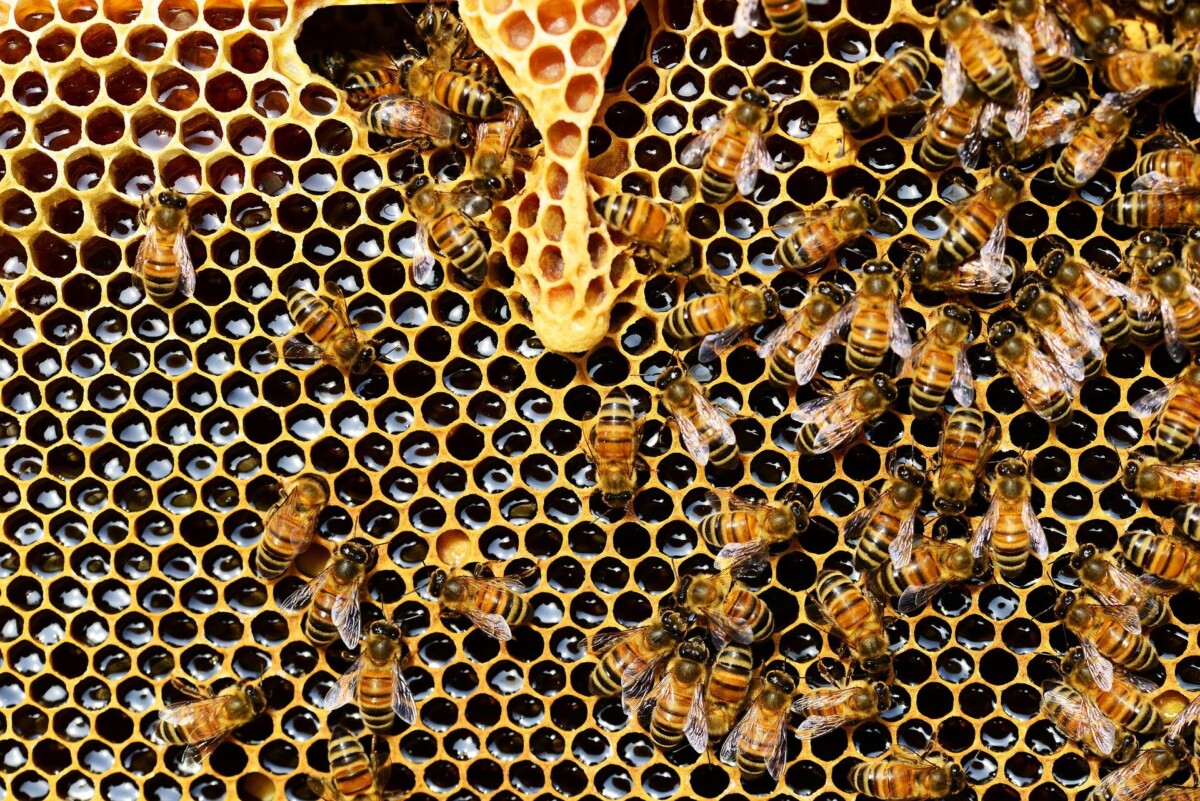
In the hive, propolis plays an indispensable role: bees coat the inner surfaces with it, seal cracks, and “disinfect” the brood cells. This is especially important because the warm, humid microclimate of the hive would otherwise provide an ideal environment for pathogens to thrive.
Scientifically Proven Effects
The effectiveness of propolis is supported by numerous laboratory and clinical studies. Its antibacterial, antiviral, and antifungal activity is primarily due to flavonoids, phenolic acid derivatives, and volatile compounds. Among these, the flavonoid pinocembrin stands out, contributing to cell protection and reducing oxidative stress thanks to its antioxidant properties.
Forms and Applications
Propolis can be used both externally and internally:
-
Topical use: creams and ointments for minor wounds, skin inflammations, and irritations.
-
Alcoholic extract (tincture): suitable for mouth rinses and gargling, particularly for inflammations of the oral and pharyngeal mucosa.
-
Internal use: drops, capsules, or lozenges, primarily during cold and flu season, to support the immune system.
Common uses include:
-
Upper respiratory infections
-
Oral and throat inflammations
-
Minor skin injuries
-
Care for dry, stressed skin
-
Complementary treatment of digestive issues
Quality and Safety
The composition of propolis naturally varies, so the active ingredient content of different products may differ. Reliable products contain standardized extracts with controlled flavonoid and phenolic acid levels. Residue and heavy metal testing is important, as bees collect raw materials from their environment.
Allergic reactions are rare, but caution is advised for people sensitive to pollen. When using a new product, it is recommended to perform a skin test first and consult a professional before internal use.
Bea Szöőr’s article in Hungarian can be found here.