







Avoidable food waste in Hungary has decreased by 37.2% over the past nine years, according to a survey by the National Food Chain Safety Office (Nébih).
Since 2016, Nébih has monitored food waste generated by Hungarian households. Its latest survey, conducted at the end of 2025, involved 151 households, representing the food waste habits of more than 400 consumers.
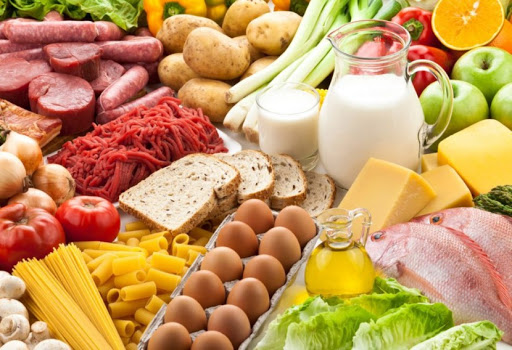
The research found that the average Hungarian generates 60.7 kilograms of food waste per year at home, amounting to approximately 576,000 tonnes nationwide. More than half of this (56.5%), or 34.3 kilograms per person annually, consists of unavoidable waste such as bones, eggshells, and coffee grounds.
The remaining 34.3%—equivalent to 20.8 kilograms per person per year—is considered avoidable and therefore represents actual food waste. Across Hungary, households generate nearly 200,000 tonnes of avoidable food waste each year.
Although this remains a significant amount, it marks substantial progress compared with 2016. Overall household food waste has fallen by 10.8%, while avoidable food waste has declined by more than one-third over the past nine years.
The survey found that prepared meals, fresh fruit and vegetables, and bakery products continue to account for more than three-quarters of avoidable food waste. Encouragingly, waste from prepared meals declined further in 2025 to 7.7 kilograms per person, around one kilogram less than in 2024.
The study also showed that the main causes of food waste have remained unchanged for years. Most food is discarded because people forget about it, buy more than they need, or prepare excessive portions.
According to the survey, Hungarian households continue to generate less food waste than the European average, although further reductions will be needed if the country is to meet the European Union’s target of cutting household and catering-sector food waste by at least 30% by 2030, compared with the 2021–2023 average.
Nébih also noted that its “Without Leftovers” programme, now entering its tenth year, will continue in 2026 with educational campaigns, awareness-raising activities, and practical advice to help households reduce food waste further.
(MTI)