








Hungarian and international researchers analyzed data from more than 2.6 million zoo births to determine whether the sex of newborn mammals and birds is truly random. The results revealed surprising distortions that could, in the long run, jeopardize the success of conservation programs. The study was published in the prestigious journal Scientific Reports.
The international collaboration involved staff from the Department of Evolutionary Zoology and Human Biology at the University of Debrecen – including Oscar G. Miranda, Tamás Székely, and Balázs Vági – working alongside Danish, Chilean, Mexican, and British researchers, as well as experts from the Copenhagen Zoo.
“In small populations, a significant imbalance in birth sex ratio can eventually lead to inbreeding, genetic impoverishment, and, ultimately, extinction. This is especially true for species that are already endangered in the wild,” said lead author Oscar G. Miranda.
The researchers examined birth data for 129 bird species and 324 mammal species, covering over 2.6 million individuals. They analyzed sex ratios using phylogenetic, life-history, and statistical models to identify the factors driving these distortions.
“A skewed sex ratio is not just a question of population genetics. In some species, too many males can lead to increased aggression, stress, and even mating difficulties in zoos,” added Balázs Vági.
For birds, overall birth ratios were balanced, although some groups – such as penguins, parrots, and falcons – showed a slight male bias. In mammals, however, skewed ratios were far more common: marsupials and ungulates tended to produce more females, while primates produced more males.
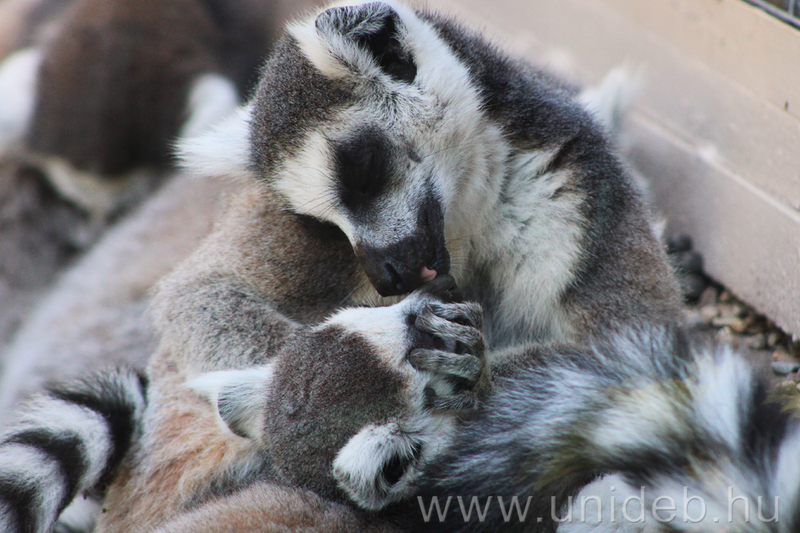
Especially worrying was the significant distortion found in several conservation-priority species. Tigers, pygmy hippos, and Père David’s deer, for example, produced more females, while African wild dogs, ring-tailed lemurs, and Asian elephants produced more males.
“These species are key players in reintroduction programs, so maintaining balanced birth ratios is critical. If this balance is disrupted, it can compromise the long-term success of such programs,” emphasized Professor Tamás Székely.
The findings suggest that in mammals, the mating system – whether a species is monogamous or polygamous – strongly influences birth sex ratios. In monogamous species, male-biased ratios were more common, while in birds, clutch size and sexual size dimorphism played a greater role.
This study uniquely combines large-scale data analysis, evolutionary theory, and phylogenetic comparison. The results could help zoos design breeding programs that better account for the risks associated with skewed sex ratios.
“The birth sex ratio is not just a demographic indicator, but a finely tuned mechanism of evolution. Interfering with it – even unintentionally – can disrupt the dynamics of the entire population. Our research highlights these hidden dangers,” concluded Oscar G. Miranda.
The study can be read here:
Oscar G. Miranda, Fernando Colchero, José O. Valdebenito et al.: Biased birth sex ratios of mammals and birds in zoos, Scientific Reports, July 1, 2025. https://doi.org/10.1038/s41598-025-05039-4
(unideb.hu)