








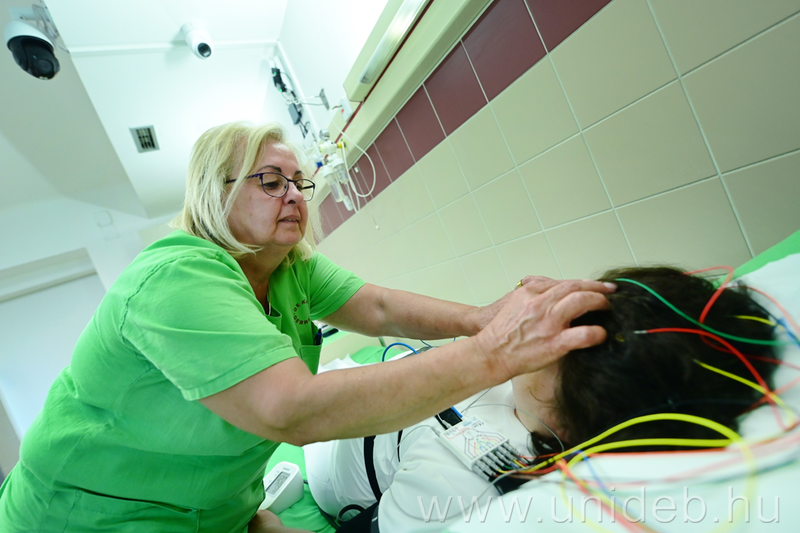
The University of Debrecen has launched a new sleep medicine unit dedicated to the modern diagnosis and treatment of sleep disorders, with a particular focus on obstructive sleep apnea. Located at the Clinical Centre’s Department of Pulmonology, the new five-bed facility is equipped with advanced technology to monitor patients’ sleep overnight and provide personalized treatment based on the results.
Obstructive sleep apnea occurs when the airway repeatedly becomes blocked during sleep, causing pauses in breathing, reduced oxygen levels, and frequent awakenings. The condition is especially common among overweight individuals and patients suffering from chronic lung diseases such as chronic obstructive pulmonary disease (COPD).
“Sleep apnea consists of periods during the night when a person temporarily stops breathing, depriving the body of oxygen and causing blood oxygen levels to drop significantly. The brain responds by waking the sleeper, but because this can happen many times during the night, it often results in severe sleep deprivation,” explained Professor Ildikó Horváth, Director of the Department of Pulmonology at the University of Debrecen Clinical Centre.
She added that many patients treated at the clinic suffer from both COPD and sleep disorders, making the condition particularly dangerous.
“Patients with COPD already have impaired oxygen intake, and sleep apnea further worsens this because of repeated breathing interruptions during the night. This negatively affects oxygen supply throughout the body and prevents the restorative sleep needed for proper recovery,” she said.
The newly established sleep laboratory was specifically designed to examine and treat patients with sleep disorders. Patients are admitted by appointment, spend one night in the laboratory, and undergo comprehensive sleep monitoring while they rest.
During the overnight examination, specialists use a range of sensors to monitor brain activity, breathing patterns, blood oxygen levels, and overall sleep quality.
“Based on the results, we establish an accurate diagnosis and determine the most appropriate treatment. This may involve lifestyle changes, surgery—such as the removal of enlarged tonsils—or the use of specialized breathing support devices. With proper treatment, symptoms can often be eliminated over time,” Professor Horváth explained.
As part of the investment, the university installed modern monitoring systems, advanced sensors, and the necessary IT infrastructure to support the new diagnostic equipment.
According to Professor Zoltán Szabó, President of the Clinical Centre, the new sleep medicine service further expands the institution’s high-quality diagnostic and patient care capabilities.
“With the establishment of this new sleep medicine unit, the University of Debrecen Clinical Centre has significantly enhanced its comprehensive diagnostic services. The modern sleep laboratory enables patients with sleep disorders to receive thorough evaluations and personalized treatment, which can substantially improve both their quality of life and overall health. Developing pulmonary care and introducing the latest medical technologies remain strategic priorities for the Clinical Centre, ensuring that people throughout the region have access to diagnostic and treatment services that meet European standards,” Professor Szabó said.
The new sleep medicine unit was officially inaugurated on Wednesday during a presidential visit attended by the leadership of both the Clinical Centre and the Department of Pulmonology.